Why Do I Feel Distant from God? Causes, Signs, and Ways to Reconnect Your Faith
Why Do I Feel Distant from God? Causes, Signs, and Ways to Reconnect Your Faith
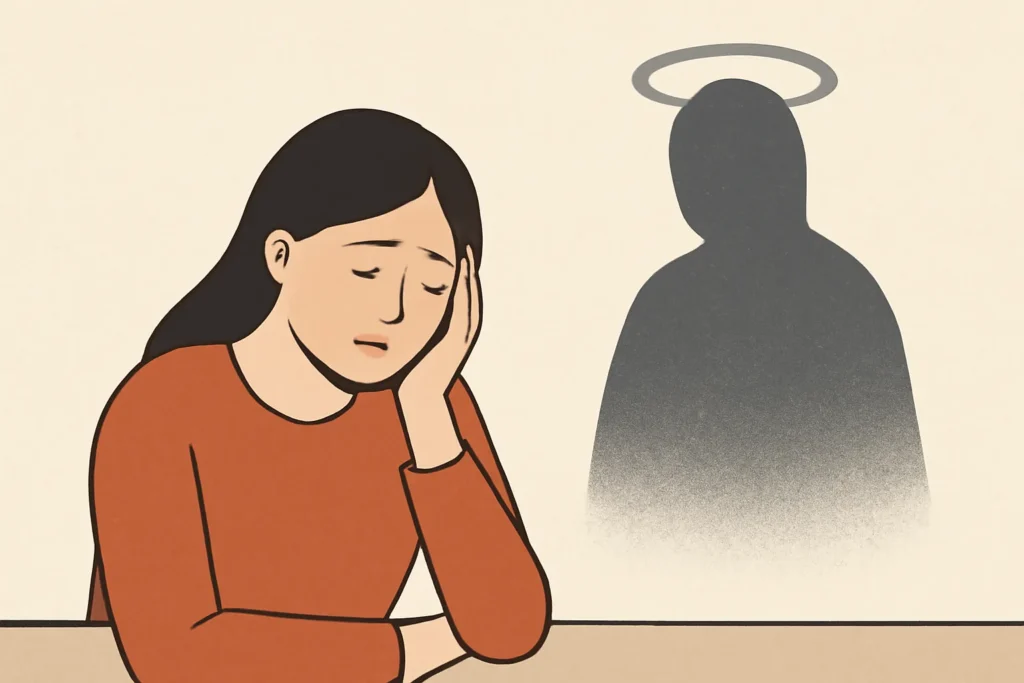
For many people of faith, life can feel like a long corridor between moments when God feels near and times when the sense of presence fades away. If you’re reading this, you may be wondering why do I feel distant from God or why am I feeling distant from God in this season. This experience, often described as spiritual distance or dryness, is not a simple failure of belief. It is a human response to a complex mix of thoughts, emotions, circumstances, and choices. By naming what is happening, you can begin to navigate toward renewal, resilience, and a deeper faith that can outlast the stretches of quiet or doubt.
Why Do I Feel Distant from God? Causes and Contributors
Spiritual distance typically arises from a combination of internal factors and external circumstances. It is rarely caused by a single event alone. Instead, it grows as beliefs, habits, and life events intersect in ways that shape how you experience God, faith, and community. Some people discover that the question how to reconnect with God when I feel distant begins to answer itself when they identify the root causes that have been operating in the background for weeks, months, or even years.
Internal factors: what happens inside you
Doubt as a persistent companion rather than a crisis to be overcome. Doubt can be unsettling, but it can also be a doorway to a more examined, robust faith when engaged honestly.
Guilt and shame over past mistakes or perceived failures can dull your spiritual appetite and make forgiveness feel distant.
Unmet expectations about God’s timing, plans, or blessings can foster frustration and a sense that God is not listening.
Fear—of rejection, of missing out on life, or of questions that might unsettle your beliefs—can push you toward emotional self-protection rather than surrender in prayer.
Busyness and distraction can crowd out spiritual disciplines, turning daily life into a sprint where sacred moments become rare.
Inner wounds from past trauma, grief, or chronic pain can reshape how you relate to God, sometimes making prayer feel forced or hollow.
Comparison to others who seem to have stronger faith can erode your own sense of belonging and invite a quiet withdrawal.
External factors: what happens around you
Loss and grief—the death of a loved one, a serious illness, or a life-altering displacement can shake faith’s foundations and take time to recalibrate.
Church hurt or betrayal by trusted leaders can skew how you view God, faith communities, and spiritual authority.
Persecution, cultural tension, or social upheaval can challenge your beliefs and force you to re-evaluate what you hold true.
Relationship strain with God’s people, family, or mentors can create distance, especially when conversations around faith are avoided or avoided.
Life stage changes—marriage, parenthood, career transitions, or retirement—often demand new rhythms that don’t yet include spiritual practices you once relied on.
It is helpful to notice how causes and contributors often interact. For example, a season of intense busyness (external) can amplify inner doubts, while grief (external) may awaken questions that you’ve kept at bay for years. Naming these dynamics is not about assigning blame; it is about understanding where distance might be coming from so you can respond with intention rather than resignation.
Signs You May Be Experiencing Distance from God
Recognizing the signs of spiritual distance can prevent misinterpretations and help you choose constructive steps. The indicators may show up in different areas of life, including prayer, scripture, worship, and daily choices. If you find yourself answering why do I feel distant from God with a mix of concern and curiosity, you are not alone. Below are common signals that the distance is present, even if it doesn’t define you.
Diminished prayer life or a sense that prayer is more a routine obligation than a conversation with God.
Scripture feels distant or hard to absorb; reading may feel more like a task than a doorway into truth.
Worship lacks vibrancy—songs, liturgy, or sermons fail to move you as they used to, or you skip worship gatherings more often than you attend.
Consistency erosion in essential practices (daily devotion, Sabbath rest, confession) that previously anchored your faith.
Questions without resolution that linger longer than usual, including doubts about God’s goodness, justice, or presence in a painful world.
Relational withdrawal from faith communities or mentors who once offered guidance and accountability.
Resentment or anger toward God, the church, or religious systems—often masking deeper sorrow or longing for connection.
Desire for control instead of trust; a preference for self-reliance over surrender can dampen the sense of divine proximity.
Fear of betrayal or avoidance of spiritual conversations that might reopen hurt or disagreement.
These signs do not necessarily indicate a permanent rupture; they often point to a season that requires different approaches, listening more than explaining, and patience with growth. If you are asking what causes distance from God, you might find that the answer lies in an interplay of personal history, current life pressures, and a longing for authentic encounter with the divine.
Understanding the Experience: Reading the Season of Distance
Feeling distant from God can be disorienting, but it can also be a teacher. Rather than viewing distance as a verdict on your faith, consider it a map of where to journey next. Some seasons are marked by a quieter, slower pace that invites reflection, while others are charged by questions that push you toward deeper inquiry. Here are ways to interpret the experience with grace and curiosity.
Distance is not abandonment—God’s faithfulness can remain steady even when your sense of God’s presence wanes.
Doubt can be a doorway—asking honest questions can push you toward a more resilient and thoughtful faith.
A dry season can precede a richer harvest of spiritual fruit, much as a silent soil is preparing for seeds you cannot yet see.
Your emotions matter—grief, anger, or confusion signal that your heart is engaged, not that faith is failing.
Consistency matters more than intensity—steady practice often outlasts spurts of fervor and can rewire your inner life over time.
Community helps—shared worship, accountability, and honest conversations with trusted friends or mentors can restore trust in God’s presence.
When considering the question why do i feel distant from god, you may also encounter the reality that God is not always immediately audible, but faith often grows through patient listening, small obediences, and the steady choosing to show up with honesty before God and others.
Ways to Reconnect Your Faith: Practical Paths Back Toward God
Reconnecting with God after a season of distance requires practical commitments, compassionate self-care, and a willingness to start again with small, sustainable steps. Below are varied approaches you can adapt to your context. The emphasis is on consistency, not perfection, and on cultivating an everyday sense of God’s presence through deliberate practices.
Begin with small, doable steps
Set a modest daily rhythm that includes a short time of quiet, gratitude, or prayer. Even five minutes can begin to rewire the heart toward awareness of God.
Choose one short scripture passage to read each day and meditate on it. Let the text sit with you; notice what confuses you, what comforts you, and what invites trust.
Practice brief gratitude moments throughout the day—name one thing you’re thankful for in the morning, noon, and evening.
Engage Scripture and prayer with gentleness
Read with questions rather than conclusions, allowing the text to meet your doubt as you read.
Pray with honesty about your questions, fears, and longings, rather than only praying for outcomes you desire.
Use liturgy or guided prayers when your heart is heavy or your mind is scattered; traditional prayers can anchor you when you feel untethered.
Rebuild spiritual rhythms through worship and wonder
Attend worship with a learner’s posture—open to what you don’t understand and listening for where God is moving in the community.
Incorporate nature into your routine; creation can be a doorway to awe and awareness of God’s presence.
Engage in music or art as a form of prayer when words fail you.
Build healthy community and accountability
Seek mentorship or spiritual direction from someone you trust who can listen deeply and reflect back what they hear.
Share your questions with a friend or small group, creating space for honest dialogue without fear of judgment.
Prioritize supportive relationships that encourage growth, forgiveness, and mercy rather than perfection and performance.
Practice confession, mercy, and service
Confession can be a way to acknowledge brokenness and receive restoration. This might involve private reflection or speaking with a trusted confidant.
Forgiveness—offer forgiveness to others and yourself; this liberates the soul from the grip of guilt and bitterness.
Serve others in small, tangible ways; acts of service can awaken compassion and remind you of God’s presence in ordinary life.
Adopt practices that quiet the noise
Slow down your pace to create space for listening rather than always producing or reacting.
Silence and contemplation can train your heart to listen for the still, small voice of God amid the clutter of life.
Fasting or intentional restraint from certain comforts can heighten sensitivity to spiritual needs and dependence on God.
Address mental health with care and wisdom
If distance from God is accompanied by persistent sadness, hopelessness, or thoughts of self-harm, seek professional support in addition to spiritual care. Mental health professionals can offer tools to heal emotional wounds, while pastoral care and spiritual practices can provide ongoing faith support. The goal is holistic restoration where body, mind, and spirit are tended together.
When Distance Is Compounded by Difficult Life Realities
Distance from God can be intensified by life’s hard edges. Grief, chronic illness, financial strain, or relational conflict can distort your sense of divine proximity and make faith feel distant or fragile. In such cases, a multi-pronged approach helps—combining practical steps with emotional and relational healing. Consider these guidelines as you navigate this more intricate terrain.
Acknowledge pain without surrendering hope—you can name real hurt while still inviting God into the hurt rather than pretending it does not exist.
Clarify boundaries in relationships or communities that have become sources of harm; protect your spiritual life while remaining open to healing and reconciliation where appropriate.
Invite trusted voices—a counselor, mentor, or prayer partner who offers both truth and mercy can accompany you through the hardest seasons.
Keep faith habits adaptable—allow your routine to shift with your circumstances while maintaining core practices that sustain you.
In this space, you may ask why do I feel distant from God not as a verdict but as a signal to adjust your course. The presence you seek is not guaranteed to come with spectacular moments; more often, it arrives as a steady, learned habit of turning toward God in small, faithful steps over time.
Common Questions and Reflections
Many readers appreciate quick responses to practical questions, especially when wrestling with the possibility that faith is changing. Here are some common questions framed to provide clarity and gentle direction without reducing your experience to a stereotype.
Why do I feel distant from God even when I am trying to be faithful?
This can happen when external pressures, internal wounds, or relational disappointments disrupt your usual flow of devotion. The effort to be faithful is valuable, but it may need to be paired with new strategies, support, and a gentler pace. Your effort matters, and God’s grace can meet you in the honesty of your seeking even if the outcomes are not immediate.
What is the difference between a dry season and spiritual decline?
A dry season often involves a lull in sensory or emotional clarity, yet it can still be a time of growth in discipleship. A decline implies a deeper or ongoing retreat from trust or practice. Distinguishing between the two helps you decide whether to persist with your practices or seek renewed guidance and healing.
How can I know if God is silent or if I am not listening?
God’s silence can be a faithful teacher, inviting you to listen with new ears. Reflect on whether you have crowded out quiet, pain, or questions with busyness or distraction. Spiritual direction, journaling, and experiments with new forms of prayer can help you discern God’s activity in quieter moments.
Is it okay to step back from church or ministry during a difficult season?
Yes, it can be wise to unplug in order to protect your heart and health. Lengthening your pace or redefining your role is not a refusal of faith; it can be a cautious recalibration that preserves relationship with God while safeguarding your well-being. Communicate openly with leaders and seek alternatives that honor both integrity and mercy.
Maintaining Hope: Sustaining a Long-Term Path Back to Connection
Recovery from spiritual distance does not follow a strict timetable, and there is no universal recipe that fits every life. Yet there are enduring practices that help many people return to a living sense of God’s presence—often through a blend of stable habits, communal support, and honest self-examination. Consider adopting a personalized plan that includes the following elements.
Consistency over intensity—small, repeatable practices tend to produce lasting effects over time.
Honest dialogue—conversations about doubt, fear, longing, and obedience can demystify fear and restore trust.
Patience with the process—reconnecting with God is rarely instantaneous; it often unfolds gradually as the heart heals and grows.
Openness to grace—accept that you do not have to perform to be loved; grace is given even in weakness.
Balanced spiritual life—integrate prayer, scripture, worship, service, and fellowship so that no single practice dominates your spiritual landscape.
If you consistently ask why do i feel distant from god and you pursue a plan with patience, you may discover a more intimate, resilient faith. The journey can redefine your understanding of God’s nearness—not as a constant emotion to chase but as a steady presence to grow into through daily choices and communal life.











Leave a Reply