The Parable of the Sower and the Seed: Meaning, Context, and Practical Lessons
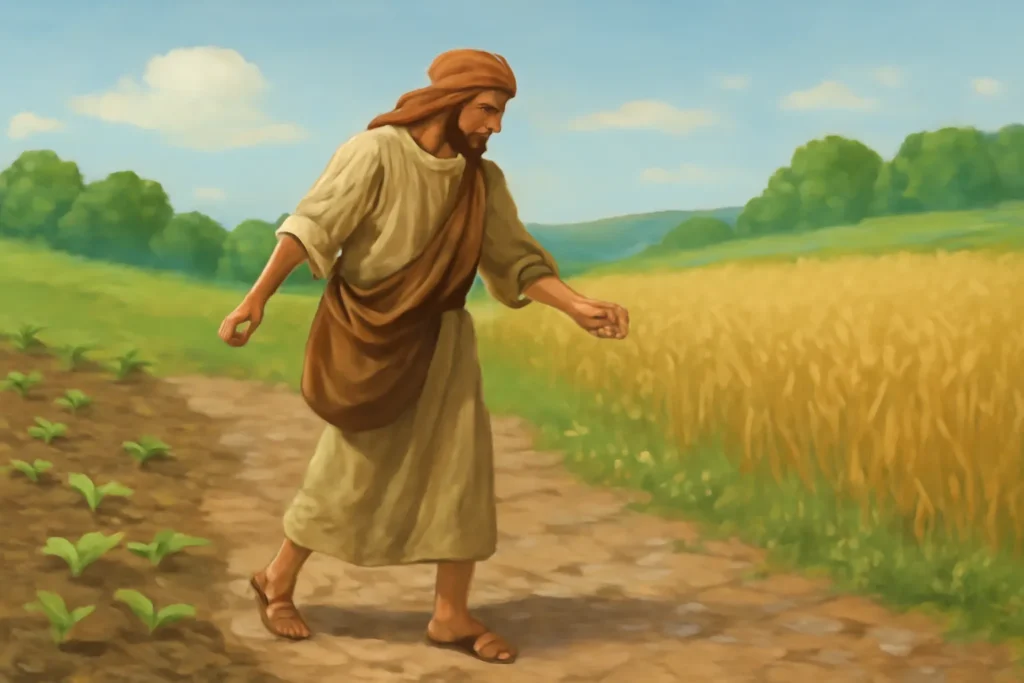
The parable commonly known as the Parable of the Sower and the Seed presents a simple, vivid scene: a sower scatters seed across different kinds of soil, and only parts of it germinate and produce fruit. Yet beneath this straightforward agricultural image lies a rich tapestry of meaning about how messages, commitments, and transformative truths take root in human lives. In many traditions, this parable has served as a foundational lens for thinking about receptivity, spiritual growth, and the dynamics of the Kingdom of God. The same story invites readers and listeners to consider not only what is sown, but where it is sown and how the soil of the heart responds.
Origins, Symbolism, and the Core Message
The seed in this parable functions as a symbol with layered meanings. In its simplest form, the seed is a stand-in for the Word of God, a message about God’s reign, or the transformative potential of faith. The farmer or sower embodies the generous impulse of sharing that message with others. The soil represents the human heart or the broader social environment in which ideas are received, interpreted, and nurtured. The harvest at the end of the story signals a period of fruitfulness—visible changes in belief, behavior, and community life.
A central aspect of the parable is not merely the seed itself, but its reception. Across the Gospel accounts, the same seed meets four different receptivities, producing four distinct outcomes. This emphasis aligns with the broader biblical theme that the Kingdom of God grows in ways that depend on human response as well as divine activity. The parable is often understood as a teaching about evangelism and discipleship: what happens after a message is heard depends on the conditions of the heart and the surrounding environment.
Texts and Variants Across the Gospels
The Parable of the Sower appears in three closely related forms in the synoptic Gospels: Matthew, Mark, and Luke. Each account preserves the essential imagery while also highlighting nuances that illuminate different theological emphases.
Matthew’s Version: Emphasis on Understanding and Fruitfulness
In Matthew 13, Jesus tells the story and then explains it to His disciples, linking soil conditions directly to how people receive and understand the message. In this account, the seed that falls on good soil yields a rich harvest—“some a hundredfold, some sixty, some thirty.” The sequence places particular weight on understanding and perseverance as prerequisites for fruitfulness. The description of the other soils foregrounds obstacles such as distraction, shallow roots, and the pull of wealth and worldly desires.
Mark 4 emphasizes the challenges that hinder the Word’s growth. The phrases tied to the cares of life, the deceitfulness of wealth, and the desires for other things illustrate how worldly concerns choke the Word and prevent spiritual development. This rendering foregrounds the lived pressures that can keep a person from maturing in faith, and it resonates with readers who see faith as something that must contend with daily responsibilities and distractions.
Luke’s Version: The Thorns as Distractions of Life
Luke’s account echoes similar themes but often adds emphasis on the way worries, wealth, and pleasures can crowd out the Word. The soil that is “choked by life’s worries, riches, and pleasures” becomes a striking picture of how multifaceted distractions impede growth. Luke’s version invites readers to consider not just the presence of obstacles but their pervasive and overlapping nature in ordinary life.
The Four Soils: A Closer Look at receptivity and Obstacles
The parable’s soils provide compact case studies in heart posture and external pressure. Here is a closer, practical reading of each soil with its symbolic significance and contemporary application.
The Path (Wayside) Soil — Seeds fall on the hard-packed ground where birds come and snatch them away. This soil illustrates a heart that is unreceptive or closed off to the message, perhaps due to prejudice, skepticism, or habitual defensiveness. Its main lesson is about the importance of listening with genuine openness and avoiding the quick, surface-level dismissal of new ideas or transformative possibilities.
The Rocky Ground — Seeds germinate quickly but have little lasting root, so plants wither when the heat comes. This soil stands for a superficial or emotionally charged response that lacks rootedness or discipline. It warns against excitement without sustained practice, warning that transient enthusiasm can fail when tested by time, doubt, or hardship.
The Thorny Ground — Seeds grow but are overshadowed by thorns: cares, wealth, and pleasures choke the growth. This soil highlights the pull of competing loyalties and the need to cultivate a healthful balance between life’s responsibilities and spiritual commitments.
The Good Soil — Seeds that land here produce a fruitful harvest, often described as yielding “thirty, sixty, or a hundredfold.” This soil signifies receptivity, sustained growth, and productive impact. The imagery invites readers to cultivate conditions—habits, communities, and practices—that enable lasting transformation.
Contextual and Cultural Factors: Why the image resonated then and now
Agricultural Imagery in First-Century Palestine
In the region where Jesus spoke, agriculture shaped daily life. Farmers broadcast seed broadly, relying on soil variety to determine outcomes. The seasons, rainfall, and soil texture all influenced germination and yield. The parable’s immediate audience would have recognized how a single field can produce very different results depending on where the seed lands and how the soil is prepared. This helps explain why the same message could be life-giving for some and ineffective for others. The parable invites readers to reflect on the conditions under which a message lands in their own lives.
Audience, Teaching Method, and Purpose
Jesus frequently used parables to reveal truth to those ready to understand and to challenge listeners who were not yet prepared. Parables are not mere illustrations; they are diagnostic tools. They invite hearers to examine their own hearts and environments. The sower’s generosity—casting seed far and wide—also emphasizes a missional ethic: the speaker’s responsibility is to share the message boldly, while the outcome depends on the soil of each listener’s life.
Beyond its narrative surface, the Parable of the Sower and the Seed has been interpreted in several productive ways, each offering a different angle on the gospel’s reach and its transformative potential.
Word as seed: The gospel message itself is something that can germinate and grow when it encounters a receptive heart.
Kingly reign: The parable frames the Kingdom of God as a growing reality that often begins small and becomes influential, not through coercion but through natural, organic growth.
Faith formation: Growth happens through sustained practices—regular study, prayer, fellowship, and acts of service—that foster deep roots.
Fruitfulness and accountability: The measure of success is not just hearing the message but producing tangible outcomes—justice, compassion, integrity, and faithfulness in daily life.
Human agency and divine agency: The parable invites a dialogue between what humans can do (cultivate soil, remove thorny obstacles) and what God can do (bring rain, provide growth, yield harvest).
Modern Variations: How the parable travels across cultures and media
Across centuries and cultures, the seed-and-soil image has been adapted to address contemporary concerns. In sermons, the parable often becomes a diagnostic tool for personal growth as well as a critique of environments that suppress or encourage faith. In literature and film, the seed can symbolize ideas, innovations, or movements seeking to transform communities. In education and leadership contexts, speakers reuse the metaphor to discuss how to cultivate learning environments and organizational cultures that promote sustained development.
Seed as knowledge or wisdom that matures with time and practice.
Soil as relationships and community norms that either nurture or suffocate growth.
For educators, the parable can guide how to design curricula that plant durable skills rather than short-term memorization.
In social justice discussions, the seed may symbolize transformative ideas about justice, equality, and human dignity that take root in the right conditions.
The Parable of the Sower and the Seed offers a practical toolkit for personal development and communal life. The following lessons emerge when we translate the ancient image into present-day contexts.
Assess the soil: Regularly examine the state of your heart and your immediate environment. What are the thorns, rocks, or hard paths you need to address? This requires humility and honesty about biases, fears, and distractions.
Prepare the ground: Cultivate spiritual disciplines and healthy relationships that deepen receptivity. This might include regular reading of sacred texts, contemplative prayer, accountability partnerships, and times of silence.
Choose wisely what to nurture: Not all seeds carry the same purpose. Align what you sow—whether a behavior change, a learning goal, or a message you share—with long-term growth and integrity.
Encourage community soil health: Communities matter. Create spaces where people can explore ideas, ask questions, confront doubts, and practice hospitality—thus expanding the areas that can become fertile soil for growth.
Expect varied outcomes: Recognize that different individuals or contexts will yield different levels of growth. Patience and sustained encouragement are essential, especially for those beginning with rocky or thorny soils.
Celebrate fruit without coercion: Fruitfulness comes as a natural outgrowth of rootedness and resilience, not from forcing quick results. Measure success by lasting impact rather than just immediate enthusiasm.
Another practical angle is to reinterpret the seed in non-traditional domains. For example, in leadership training, the seed can be a vision or a new policy. The soil can be an organization’s culture, and the harvest can be improved morale, enhanced collaboration, and measurable outcomes. By keeping the four soils in view, leaders can diagnose where a new initiative might stall and take steps to address gaps in understanding, commitment, or alignment with values.
The broader tradition of parables and fables often uses seeding imagery to communicate related ideas about growth, influence, and transformation. Some modern analogues include:
Seeds of community: A tale about how small acts of kindness sow social cohesion and resilience in a neighborhood.
Seeds of innovation: A story about how ideas planted in a skeptical workplace can gradually take root and revolutionize practice.
Seed metaphors in education: Narratives where foundational concepts—like critical thinking or literacy—take root over time through patient teaching and supportive environments.
As with any rich metaphor, some misunderstandings can obscure the deeper message. A few clarifications can help:
Not every seed must fail: The parable does not imply that failure is inevitable. It invites us to cultivate soil that supports growth, while also recognizing that some seeds may be carried away by external forces beyond the sower’s control.
Free will and divine action both matter: The seed’s germination depends on conditions of the heart, yet the growth given by God often exceeds what appears possible by human effort alone.
Judging others’ soil is limited: The parable invites self-examination first. It is less a judgment of others and more an invitation to examine our own receptivity and responsibilities within a shared community.
Fruitfulness is holistic: The harvest is not only about personal spiritual experience but also about how faith translates into justice, mercy, and communal flourishing.
The image of sowing and soil resonates beyond a single religious tradition. In various faiths and secular ethics, the core idea remains: ideas and commitments grow best when they are nurtured in conducive environments and challenged by honest questions. This shared intuition can foster dialogue about how communities encourage thoughtful listening, resilient practice, and meaningful action. When approached with humility, the parable invites people of diverse backgrounds to reflect on what kind of soil they tend—within themselves, in their families, and in their public life.
The Parable of the Sower and the Seed remains a living, dynamic framework for thinking about growth, faith, and influence. Its enduring appeal lies in its accessibility and its invitation to responsibility. By paying attention to the soil of the heart and the conditions of the environment, individuals and communities can foster environments where messages can take root, mature, and bear fruit in ways that are visible, transformative, and enduring.
Closing Reflections and Takeaways
In closing, consider these practical steps to apply the parable in everyday life:
Conduct a personal soil check: identify one habit, one distraction, and one relationship that shape your receptivity to new ideas or growth.
Commit to a soil-care plan: invest time weekly in practices that strengthen roots—daily reflection, supportive community, and acts of service.
Seek environments that encourage growth: join or form groups that foster honest conversation, accountability, and shared learning.
Share generously, then wait for fruit: plant seeds of ideas and encouragement, recognizing that ripening takes time and varies with context.
Whether interpreted as a spiritual teaching about faith in God or as a universal metaphor for growth and learning, the sower’s practice of scattering seeds remains a powerful invitation: to tend the soil of our lives with care, to welcome diverse soils into communal life, and to trust that with patient cultivation, even small beginnings can yield abundant fruit.










Leave a Reply