Psalm 65 stands among the collection of Psalms that invites readers into a robust, almost cinematic depiction of gratitude directed toward the God who “hears prayer.” When we hear the phrase “Psalm 65 Thanksgiving Meaning”, we are invited to trace how a single psalm links prayer, forgiveness, and public praise with God’s gracious provision for the earth. The central idea is not merely feeling thankful in a general sense; it is the deliberate, liturgical response of a people who recognize that their lives are upheld by a benevolent Creator who answers, forgives, and sustains. The thanksgiving meaning of this psalm is thus multifaceted: it is spiritual trust expressed in worship, it is a memory of answered prayers, and it is a visible declaration of God’s goodness to the whole world.
In a simple sentence, the meaning of Psalm 65 in terms of gratitude and praise can be described as a public, covenantal response to God’s faithful acts—Acts of forgiveness, acts of provision, and acts of order in creation. The thanksgiving here is not merely an emotional mood; it is a deliberate posture that shapes communal life, ritual worship, and daily living. Throughout the psalm, the reader encounters a pattern: God hears and answers, the people respond with praise and vows, and the earth responds with abundance. This is the biblical theology of gratitude in action: gratitude is both a response to divine mercy and a force that shapes how a people live before God and before one another.
The Literary Shape of Psalm 65
To appreciate the thanksgiving meaning of Psalm 65, it helps to see its movement theologically and poetically. The psalm can be read as a carefully ordered ascent from invocation to cosmic praise, then to earthly provision. The structure mirrors a journey: the worshiper begins with a call to praise, then moves into an assurance of forgiveness, followed by a declaration of God’s mighty works, and finally settles on the daily bread provided by the Creator.
Structure and progression
Invocation and vowed worship: A summons to praise and the commitment to fulfill vows.
Confession and assurance: A recognition of human weakness and the gracious atonement provided by God.
Cosmic exaltation: A description of God’s sovereignty over mountains, seas, and wind—an assurance that God’s rule extends to the most distant ends of the earth.
Provision and harvest imagery: A pastoral, agricultural visualization of rain, fertile soil, and bountiful harvest that nourish both people and flocks.
Within this arc, several key phrases stand out as anchors for the thanksgiving meaning of the psalm. Phrases like “Praise waits for You, O God, in Zion” and “To You all flesh will come” signal that the gratitude expressed here is both intimate and universal. The psalmist also declares that God’s forgiveness is available to those who acknowledge their sins, and that this forgiveness is itself a cause for joyful praise. In the end, the psalm moves from forgiveness to flourishing—the earth is watered, harvests are abundant, and the people respond in sustained, public worship.
Contexts, Theological Significance, and How It Has Been Read Through Time
Historical and liturgical context
Scholars often label Psalm 65 as a Psalm of David, though the precise historical setting remains debated. What is clear is its function within the lifeworld of ancient Israel: a hymn sung in the context of corporate worship that recognizes God as the sovereign Water-giver who blesses the land with rain and harvest. The temple liturgy—and the broader calendar of agricultural festivals—provided a natural framework for a psalm that ties gratitude to the rhythms of rain, soil, and seasonal abundance. In this sense, the thanksgiving meaning of Psalm 65 is not abstract; it is intimately tied to real, daily life—the turning of seasons, the vitality of crops, and the security of a community that trusts God to provide.
In the larger biblical witness, Psalm 65 often functions as a model for public gratitude. It models a form of worship in which voices converge from different segments of society: priests, singers, families, and the entire assembly. The psalm’s emphasis on God’s providing care of the land and people aligns with the Torah’s call to remember God’s acts of deliverance and to bless God in return. This interplay between memory, gratitude, and praise forms the backbone of the thanksgiving meaning throughout the psalm and has shaped later Jewish and Christian liturgical practices.
Authorship, authorship ambiguity, and ancient confidence
Even if we cannot pin down a precise historical moment for Psalm 65, the text demonstrates a robust theology of God’s steadfast care for the world. The psalmist’s confidence that God hears prayer, forgives iniquities, and sustains the earth provides a paradigm for how a community can live with hope, even when faced with human frailty and the challenges of drought or famine.
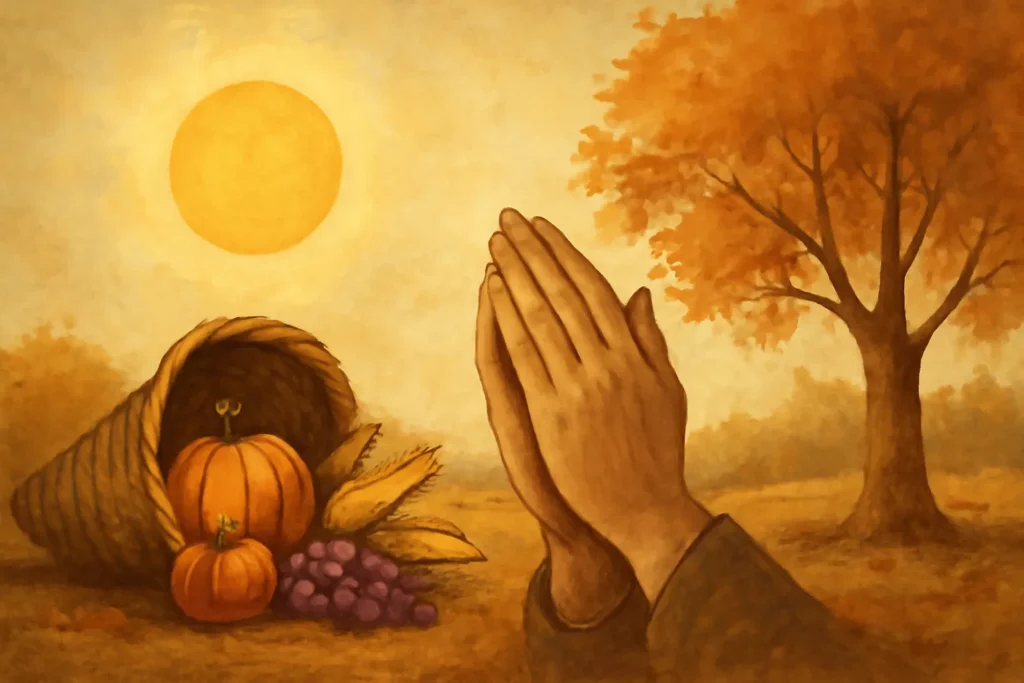
One of the most striking features of Psalm 65 is its vivid creation imagery—especially the language about rain and the watering of the land. The psalmist writes of the ways God waters the earth, fills streams, and makes grass grow. This is not mere natural description; it is theological witness. The rains are a visible sign of divine benevolence, and gratitude flows from recognizing that human civilization relies on a gracious God who sustains the soil and the seasons. For readers today, this imagery invites a posture of mindful thanksgiving for the climate, agricultural systems, and the food that sustains communities.
Mountains, seas, and the order of creation
The psalm also emphasizes God’s mastery over the natural world—“You establish the mountains by your strength; You still the roaring of the seas, the roaring of their waves.” This cosmic perspective widens the scope of the thanksgiving meaning, moving it beyond personal relief to the recognition that the Creator’s order governs the entire cosmos. When believers praise God for the mountains and seas, they are acknowledging a God who imprints order on chaos and who invites humanity into alignment with that order through trust and worship.
The final portion of Psalm 65 returns to the earth—oases of abundance in fields, pastures, and homes. The psalmist notes the rivers that enrich the pastureland and the people who are filled with gladness as they celebrate the harvest. This is where the thanksgiving meaning becomes tangible for ordinary life: gratitude becomes visible in the sharing of provision, in the joy of gathered families, and in the offering of vows fulfilled in worship. The language of fullness—“We are filled with the good things of your house”—points to a life oriented toward God with contentment and generosity as its hallmark.
Gratitude in a Needy World: Lessons from Psalm 65 for Today
The Psalm 65 thanksgiving meaning has timely relevance for modern readers who navigate personal storms, social injustice, climate anxiety, and cyclical hardship. Its call to gratitude provides a counter-narrative to fear or cynicism by anchoring hope in the character of God—no matter the external circumstances. Here are some practical lessons that emerge from the psalm’s teaching about gratitude and praise:
Gratitude as a daily discipline: The psalm invites believers to make praise an ongoing habit, not merely a reaction to favorable circumstances.
Forgiveness as the gateway to thanksgiving: Acknowledging human failings and receiving God’s forgiveness prepares the heart for sustained worship.
Public worship as social fruit: The communal act of praising God strengthens bonds within the community and witnesses to the surrounding world.
Trust in God’s providence: Recognizing that God controls rainfall and harvest fosters a posture of dependance rather than control.
Care for the earth as worship: The creation imagery calls readers to stewardship and gratitude expressed in acts of service to the land and vulnerable communities.
In contemporary life, psalm 65 thanksgiving meaning can guide believers through seasons of drought or plenty by keeping the focus on God’s faithfulness rather than temporary circumstances. It can inspire environmental stewardship, social generosity, and the habit of recounting God’s acts of mercy in family narratives and congregational life. By retelling the psalm’s stories—of forgiveness, rain, and abundance—communities cultivate a durable, hopeful gratitude that resists despair.
Practical Ways to Live Psalm 65: Thanksgiving and Praise
Turning the insights of Psalm 65 into daily living doesn’t require grand gestures. It can begin with simple, repeatable practices that anchor gratitude in real time. The following ideas offer practical pathways to embody the thanksgiving meaning of the psalm in family life, church gatherings, and personal devotion:
Create a daily gratitude routine: Start or end the day by naming blessings, especially those that come as daily provision and answered prayers.
Offer vows and fulfill them: If you have made commitments to God—whether in prayer or in a personal covenant—seek to fulfill them, turning intent into action as a sign of faithfulness and gratitude.
Practice prayers of confession and release: Regularly acknowledge sins and seek forgiveness, letting that grace deepen your sense of gratitude for God’s mercy.
Study creation and respond with stewardship: Spend time in nature noting God’s care for the land and animals, and reflect on how you can honor that care in daily life.
Incorporate harvest imagery into worship: In congregational settings, weave readings, songs, and prayers that celebrate provision and the gathering of the community.
Labor alongside others in service: Acts of service, generosity, and community support become practical expressions of gratitude for God’s provisions.
Tell stories of answered prayers: In households and faith communities, share testimonies that highlight God’s faithfulness and reinforce the psalm’s thanksgiving ethos.
Additionally, the psalm’s structure lends itself to seasonal study guides. For example, in a small group or family setting, one could map the verses to seasonal cycles—winter to spring to harvest—and reflect on how God’s actions in those seasons invite gratitude. The thanksgiving meaning thus travels from ancient temple acoustics to modern living rooms, remaining a potent catalyst for praise and action.
Questions for Reflection and Discussion
What does it mean to say that praise waits for You in Zion, and how does that shape our approach to worship today?
How does recognizing God’s forgiveness influence the way you express gratitude in prayer and in daily life?
In what ways does the psalm’s imagery of rain, rivers, and harvest speak to current concerns about climate, food security, and ecological stewardship?
How can a community turn the psalm’s confession and forgiveness into practical acts of reconciliation and generosity?
What vows might you renew or deepen as a response to God’s gracious gifts, and how can you fulfill them in tangible ways?
Closing Reflections on the Meaning of Thanksgiving in Psalm 65
Reading Psalm 65 through the lens of thanksgiving and praise reveals a theology that embraces both the vastness of the cosmic order and the intimacy of human need. The psalmist does not separate the experience of God’s forgiveness from the experience of rain and fruitfulness. Instead, grace and abundance are presented as a single, unified gift from a God who inclines an ear to prayer, forgives the confessed, and delights to bless the earth. The thanksgiving meaning of this psalm is therefore twofold: it is a personal invitation to trust and worship, and a communal invitation to be a sign of God’s goodness in a world that longs for justice, mercy, and prosperity.
In practice, this means that gratitude becomes a living discipline rather than a momentary sentiment. It means cultivating a sense of vocation—recognizing that the ordinary rhythms of rain and harvest are opportunities to praise, to remember, and to act with generosity. It means recognizing that God’s forgiveness is not a private mercy but a social reality that liberates communities to live with integrity and hope. And it means joining together in the shared act of worship—“Praise waits for You, O God, in Zion”—as a visible declaration that God remains faithful across generations and cultures alike. The psalm’s thanksgiving meaning continues to teach believers to sing, to serve, and to depend on God’s steadfast care in every season of life.
For those exploring this text online or in a study guide, consider the variations of the phrase “psalm 65 thanksgiving meaning” you encounter. Each variation—whether framed as a theological reflection, a devotional practice, or an ethical summons—points to the same core truth: gratitude to God grows from a robust awareness of God’s actions in prayer, forgiveness, provision, and creation. The psalm challenges us to translate that awareness into praise that is both personal and communal, and into actions that reflect God’s generous reign in the world.









Leave a Reply