Meditation Bible Verses: Uplift Your Spirit with Scripture
Meditation Bible Verses: Uplift Your Spirit with Scripture
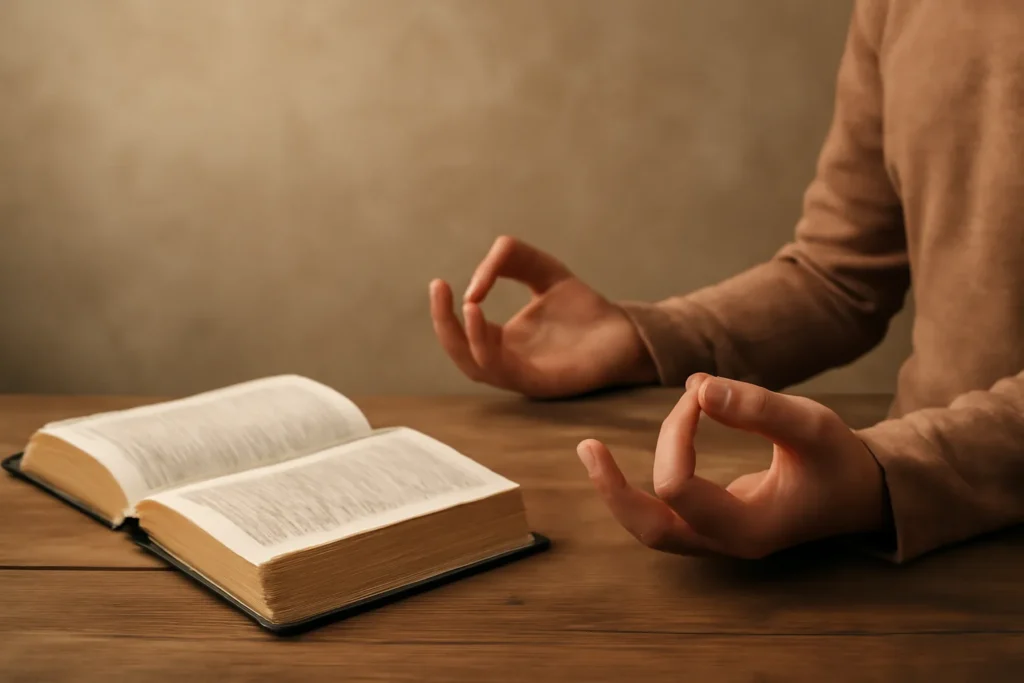
Meditation Bible Verses: Uplift Your Spirit with Scripture opens a doorway to a practice that has sustained believers for centuries. In a world crowded with noise and distraction, biblical meditation invites us to slow, listen, and let God’s words shape our thoughts, affections, and actions. This article explores what biblical meditation is, why it matters, and how to practice it with clarity and integrity—using a wide range of verses that speak to the heart, mind, and spirit. Whether you are new to meditating on Scripture or looking to deepen an established practice, these reflections aim to illuminate how the Bible invites you into a transforming encounter with God through His Word.
In biblical terms, meditation on Scripture involves more than a quick glance or a casual read. It is a deliberate turning of the mind and heart toward God as His words take root within us. It can involve listening, pondering, speaking, praying, and living in light of what God has revealed. The core aim is not merely to acquire information but to encounter the living God and to let His truth govern the way we think, feel, and act.
Across biblical literature, meditation is described as a sustained, affectionate attention to God and His revelation. It often includes delight in the Word, contemplation of its implications for daily life, and a hopeful expectation that God will accomplish His purposes through steady, faithful attention to His promises. This approach to meditation is not opposed to silence or stillness; rather, it embraces them as means by which we hear God more clearly and follow Him more faithfully.
In practice, biblical meditation can involve several interrelated dimensions:
Delight in God and in His Word (finding joy in what God has revealed).
Reflection on the meaning of a passage and its implications for life.
Memorization of key verses to keep God’s Word close at hand.
Prayer that Scripture would shape our affections and actions.
Application as we live out the truth of the passage in daily decisions and relationships.
Throughout this article, you will encounter a variety of meditation bible verses—not as isolated commands, but as anchors for a practice that reorients the heart toward God and renews the mind by truth. The emphasis is not merely mental exercise; it is spiritual formation that bears fruit in character, courage, and compassion.
Foundational verses: the heart of biblical meditation
Several key passages establish the model for biblical meditation and describe its benefits in vivid terms. These verses offer a framework for understanding how to meditate on Scripture and why this practice matters for believers in every season of life.
Psalm 1:2-3 and the cadence of delight and contemplation
One of the clearest portraits of biblical meditation is found in the opening Psalm, where the blessed person is described as delighting in the Law of the Lord and meditating on it day and night. The language paints two essential attitudes: delight in God’s Word and persistent reflection on it. When you meditate on Scripture, you move from mere reading to ongoing conversation with the divine truth that shapes your inner life.
Verses paraphrased for meditation practice:
The person who finds joy in God’s Word is like a tree planted by streams of water, yielding fruit in season and never withering.
Daily and nightly meditation cultivates stability, resilience, and vitality because the root system is anchored in truth.
Joshua 1:8: the constant meditation that sustains success and courage
In Joshua 1:8, the command is explicit: the book of the law shall not depart from your mouth; you shall meditate on it day and night, so you may be careful to do according to all that is written. The promise attached to this practice is profound: then you will make your way prosperous and you will have good success. This verse links meditation to obedience, discernment, and practical wisdom for life’s decisions. It invites a disciplined rhythm—reciting, reflecting, and applying Scripture in every situation, big or small.
For practical use: choose a verse or short passage, repeat it aloud during the day, and pause to notice how its truth informs choices about relationships, work, and priorities. The goal is not mere repetition but transformed thinking that leads to transformed living.
Psalm 63:6 and meditation in the night watches
When I remember you on my bed, I meditate on you in the watches of the night. This vivid image demonstrates that meditation can be a resource for spiritual steadiness even in difficult seasons. It is not limited to morning hours; Scripture invites a flexible rhythm where recall and reflection can anchor the heart through the night and in times of trial or longing.
In practice, this might look like reflecting on God’s character, promises, or acts of faithfulness before sleep, or journaling a short prayer that aligns thought and heart with truth as you rest.
Psalm 119:15, 119:97, 119:105, and the Bible as a lamp
Psalm 119 is a treasure chest on the subject of meditating on God’s Word. Some of the most memorable phrasing includes:
Verse 15: I will meditate on your precepts and consider your ways. The posture is attentive, curious, and teachable—an active, thoughtful engagement with the text.
Verse 97: Oh, how I love your law! I meditate on it all day long. Love for the Word fuels ongoing reflection, turning study into a way of life.
Verse 105: Your word is a lamp to my feet and a light for my path. Meditation helps Scripture illuminate the choices and steps of daily living.
These verses emphasize three elements: affection for the Word, sustained reflection, and practical guidance for everyday life. Meditating on Scripture becomes a way of letting God’s truth illuminate the path ahead.
Psalm 119:11 and the treasure of God’s Word in the heart
I have stored up your word in my heart, that I might not sin against you. Memorization is a traditional pillar of biblical meditation because it makes the Word readily available in moments when we need it most—moments of decision, temptation, or fear. Placing verses into memory creates a reservoir from which courage, patience, and wisdom can be drawn when words are scarce or emotions are high.
Be still and know: Psalm 46:10 and Psalm 4:4
Several Psalms invite stillness as a posture that accompanies meditation. Psalm 46:10, Be still, and know that I am God, invites a quiet confidence in God’s sovereignty. Psalm 4:4 also speaks to the practice of reflecting and resting in God’s presence. These calls to stillness are not passive; they are fertile spaces in which God’s truth can be discerned and trusted, shaping how we respond to life’s pressures.
Medicating the soul: meditating on the character of God
Another powerful dimension of biblical meditation is reflecting on who God is. Contemplating God’s attributes—His sovereignty, goodness, faithfulness, holiness—produces reverence, trust, and comfort. Here are some verses that facilitate a meditation on God’s character:
Isaiah 40:28-31: the endless source of strength
Have you not known? Have you not heard? The everlasting God, the Lord, the Creator of the ends of the earth, does not faint or grow weary; his understanding is unsearchable. He gives power to the faint, and to him who has no might he increases strength. Even youths shall faint and be weary, and young men shall fall exhausted; but they who wait for the Lord shall renew their strength. They shall mount up with wings like eagles; they shall run and not be weary; they shall walk and not faint. The meditation here invites us to consider God’s inexhaustible strength and steadfastness as a source of endurance in our own lives.
Psalm 23 and shepherding care
Many readers turn to Psalm 23 as a meditation on God’s care. The imagery of the shepherd who leads, comforts, and restores provides rich material for reflection. Meditating on this psalm can deepen trust in God’s provision, safety, and guidance, even through dark valleys, because God’s presence is the primary reality undergirding every moment of life.
Psalm 27:4-5 and seeking the Lord’s presence
This passage centers a single, focused desire: to dwell in the house of the Lord all the days of life, to behold the beauty of the Lord, and to inquire in his temple. Meditating on these verses can become a practice of centering the heart on God’s nearness, especially in seasons of confusion or fear, when the external environment feels unsettled.
Behold God in creation: Psalm 8 and the heavens above
While not a single verse about meditation, Psalm 8 invites contemplation of God’s majestic creation and our place within it. Reading and reflecting on passages that reveal God’s beauty in nature can be a form of embodied meditation—seeing God’s fingerprints in the ordinary and extraordinary alike.
New Testament avenues for meditating on God’s character
In the New Testament, meditating on God’s nature continues through reflections on God’s love, mercy, and faithfulness revealed in Jesus Christ. Passages like Colossians 3:2 (set your minds on things above) and Romans 8:38-39 (nothing can separate us from the love of God) provide a framework for contemplative focus on God’s identity and promises, shaping a life of gratitude, humility, and hope.
Scriptural promises to anchor meditation: meditating on God’s assurances
When believers meditate on God’s promises, they cultivate a faith that holds fast in trials, grows in patience, and extends grace to others. The Bible is full of promises that invite repeated reflection and trust. The practice of meditating on these promises helps reorient fear, disappointment, and uncertainty into confidence in God’s faithfulness.
Romans 8:28 and the weaving of good from hardship
And we know that in all things God works for the good of those who love him, who have been called according to his purpose. Meditating on this verse can help believers interpret painful experiences through the lens of divine sovereignty and redemptive purpose, transforming anxiety into hope and surrender into steadfast trust.
“For I know the plans I have for you,” declares the Lord, “plans to prosper you and not to harm you, plans to give you hope and a future.” While the context is a historical one, the principle encourages present-day believers to rely on God’s overarching care and purpose. Meditating on this promise can bring comfort during uncertainty and courage to move forward in faith.
Philippians 4:19 and provision in every need
And my God will meet all your needs according to the riches of his glory in Christ Jesus. This verse invites believers to contemplate God’s generosity and sufficiency, especially when needs feel pressing. Meditation here can affirm gratitude and reduce worry, opening space for generous living and contentment.
Isaiah 41:10 and divine companionship in fear
So do not fear, for I am with you; do not be dismayed, for I am your God. I will strengthen you and help you; I will uphold you with my righteous right hand. A steady practice of meditating on this promise cultivates courage, trust, and a sense of divine partnership in everyday challenges.
Philippians 4:8 and the regimen of holy thought
Finally, brothers and sisters, whatever is true, whatever is noble, whatever is right, whatever is pure, whatever is lovely, whatever is admirable—if anything is excellent or praiseworthy—think about such things. This verse offers a clear filter for meditation: let your thoughts align with truth, virtue, and beauty. It becomes a mental discipline that guards against distortions and cultivates a hopeful, upright mind.
Colossians 3:2 and heavenly focus
Set your minds on things above, not on earthly things. Meditating with this orientation trains the heart to prioritize eternal realities and grace-filled perspectives over transient pressures, helping believers navigate life with spiritual clarity and purpose.
Practical methods: how to meditate on Scripture
Practicing biblical meditation can be approached in several practical ways. The following methods are traditional and time-tested, designed to be adaptable to different personalities, schedules, and spiritual rhythms. The aim is to cultivate steady, meaningful engagement with the Word that leads to transformation.
Lectio Divina: a sacred reading rhythm
Lectio Divina (divine reading) is a contemplative approach that moves through four stages: reading (lectio), meditation (meditatio), prayer (oratio), and contemplation (contemplatio). In the reading phase, you slowly savor a short passage. In meditation, you reflect on its meaning and implications. In prayer, you speak back to God in light of what you’ve read. In contemplation, you rest in God’s presence, allowing the truth to dwell in you. This method keeps meditation tethered to Scripture and prayer, preventing it from becoming a purely mental exercise.
Memorization and retrieval prayers
Memorizing verses is a practical form of meditation because it places Scripture within easy reach for daily life. You can select a verse or short passage, write it on a card, or store it in a phone note, and recite it several times a day. The act of retrieval reinforces memory and provides opportunities to pray the verse back to God, turning truth into habit and habit into virtue.
Verse journaling: reflective writing
Keep a dedicated journal for meditation entries. After reading a passage, write a few lines about what the verse reveals about God, what it says about you, and how you think you should respond. Journaling emphasizes intentional interpretation and helps you track growth over time.
Breath-centered meditation: grounding the practice
Pair Scripture with mindful breathing to create a calm, focused atmosphere for contemplation. For example, you might inhale with a phrase like “Be still” and exhale with a line such as “and know that I am God” (Psalm 46:10). This technique anchors the meditation in Scripture while calming the nervous system, enabling clearer hearing and deeper trust.
Group and family meditation
Medicating on the Word in community can deepen understanding and accountability. Families or small groups can take turns reading a verse, sharing insights, and praying together. Group meditation fosters encouragement, mutual edification, and shared commitment to living out God’s truth in daily life.
Different seasons may call for slightly different approaches to biblical meditation. The core aim remains the same—encountering God through His Word and allowing that encounter to shape your heart and actions. Here are tailored suggestions for several common life contexts:
Focus on verses that speak of God’s sovereignty, presence, and care (e.g., Psalm 46:1, Isaiah 41:10, Romans 8:28).
Use a simple, repetitive phrase such as “God is with me” or “I will trust in Your plan” to quiet fear and center attention on God’s stability.
Record brief prayers that express fears honestly before God, followed by a commitment to cling to His promises.
When seeking guidance for important decisions
Meditate on verses that emphasize wisdom, obedience, and seeking God’s will (e.g., James 1:5, Joshua 1:8).
Ask specific questions of the text and invite God to reveal guidance in line with His character and purposes.
Journal about possible paths, then invite prudent counsel and discernment as you continue to reflect on Scripture.
In seasons of fatigue or burnout
Choose verses that remind you of God’s rest and refreshment (e.g., Matthew 11:28-30, Psalm 23).
Practice short, repeatable meditations that refresh the soul without overwhelming the mind.
The benefits and aims of meditating on Scripture
Engaging with biblical meditation yields several enduring benefits. While these outcomes are not mechanical guarantees, they are consistent patterns described in Scripture and observed in the lives of believers who commit to this practice with sincerity and faith.
Renewed mind: Scripture-based meditation reshapes thought patterns, aligning them with God’s truth rather than cultural narratives or personal assumptions.
Inner peace: Regular reflection on the character and promises of God fosters a deep sense of peace, even amid external storms.
Strength and courage: Meditation on God’s faithfulness builds resilience to face challenges with confidence in His support.
Wisdom for decisions: God’s Word becomes a practical guide for daily choices, relationships, and priorities.
Holiness and transformation: Persistent meditation nurtures dispositions that honor God, including humility, patience, and compassion.
In addition to these general benefits, specific meditation practices can support personal growth in nuanced ways. For example, memorizing verses about forgiveness can transform how you respond to offenses; meditating on verses about peace can alter your approach to stress; reflecting on God’s grace can shape your interactions with others in more gracious, patient, and generous ways.
Common questions about biblical meditation
As with any spiritual practice, questions and clarifications help bring clarity and guard against misapplications. Here are several frequently asked questions and thoughtful responses based on biblical teaching.
Is meditation the same as contemplative prayer or mindfulness?
Christian biblical meditation is related to but distinct from other forms of meditation. It centers on God’s Word and relation to God, rather than emptying the mind. Biblical meditation intentionally engages thoughts about God, His truth, and His will, often accompanied by prayer and worship. It is not a practice aimed at merging with cosmic emptiness or achieving a neutral mental state but a relational practice rooted in Scripture and directed toward God.
Can Christians meditate without crossing into New Age or secular mindfulness?
Yes. A robust biblical meditation keeps the focus explicit: God’s Word, God’s character, and God’s promises. It avoids practices or philosophies that make human beings the center of the spiritual experience or that synchronize with non-Christian religious systems. When in doubt, anchor your practice in Scripture, test it against the gospel, and seek wise counsel within the church community.
How much time should be given to biblical meditation?
The length of time varies by season and circumstance. The key is not the duration alone but the rhythm and quality of engagement. A few minutes daily can be transformative, especially if the practice is consistent and anchored in a few chosen verses. In busier seasons, even brief moments—calm, reflection, and a short prayer—can be deeply meaningful. In quieter seasons, longer meditation with careful study, journaling, and prayer can deepen faith and understanding.
What about studying vs. meditating? Is one better than the other?
Study and meditation complement each other. Study seeks to understand the text in its context, historical milieu, and theological significance. Meditation seeks to let that understanding sink into the heart and guide the life. A healthy rhythm often weaves both together: study a passage, then meditate on its meaning and implications for today, followed by prayer and application.
How can I stay motivated to meditate when life is busy?
Setting small, achievable goals helps. Choose a short passage, a single verse, or a few lines for each day. Use prompts or a simple plan (for example, a 7-day cycle of verses about hope, mercy, and courage). Involve others—a friend, spouse, or church community—in the practice to add accountability and encouragement. Remember that consistency, even in tiny increments, yields long-term fruit.
Closing reflections: integrating meditation into daily life
Ultimately, biblical meditation is about a sustained encounter with God through His Word. It is not a momentary ritual but a lifestyle that integrates truth into thoughts, prayers, and actions. When you let Scripture dwell richly within you, you begin to think more clearly about life, feel more deeply the presence of God, and act more consistently out of faith, hope, and love. The practice can be adapted to your personality, season, and lifestyle while remaining faithful to the core aim: to know God and be transformed by Him.
As you undertake or continue this journey, consider these practical steps to maintain momentum:
Keep a small, trusted list of verses you return to often—your meditation anchors.
Schedule regular, brief sessions that fit your daily routine, increasing time as you grow more comfortable.
Pair meditation with prayer—conversing with God about what you’ve learned and asking for strength to live it out.
Record insights in a journal, facilitating reflection and growth over time.
Invite accountability through a friend or small group to support ongoing practice and spiritual formation.
In the end, meditation on Scripture is a generous gift that invites believers into a deeper relationship with God. It is a discipline that cultivates peace, wisdom, courage, and compassion. By drawing on a broad array of verses—delight in the Law (Psalm 1), meditating on His commands (Psalm 119), embracing God’s promises (Romans 8:28; Philippians 4:19), and setting our minds on things above (Colossians 3:2)—we can uplift our spirits and renew our minds through the enduring power of God’s Word.
May this journey of Scripture-led meditation bear abundant fruit in your life, guiding your thoughts, shaping your emotions, and inspiring your actions as you walk in faith, hope, and love.









Leave a Reply