Look to the Hills: The Ultimate Guide to Hiking, Scenic Views, and Outdoor Adventure
Look to the Hills: The Ultimate Guide to Hiking, Scenic Views, and Outdoor Adventure
From sunrise to sunset, look to the hills and you invite a conversation with the land — a conversation that blends challenge, beauty, and mindfulness. This guide is designed for anyone who wants to explore the outdoors with intention, whether you are chasing scenic views, seeking outdoor adventure, or simply hoping to cultivate a steadier habit of hiking. You will find practical advice on planning, gear, safety, technique, and etiquette, all aimed at helping you enjoy the hills responsibly and with lasting appreciation.
It is not just the photogenic panoramas that draw people to hillcountry trails. When you look toward the hills, you gain a sense of scale that reorients worries and schedules. The hills offer a training ground for balance and resilience, and they reward curiosity with evolving perspectives as the day unfolds. In a world of screens and schedules, a hillside walk invites you to de-center distraction and re-center attention on the present moment. This section surveys what makes elevated terrain so compelling and how to translate that appeal into meaningful, sustainable experiences.
Height, Horizon, and How Views Change
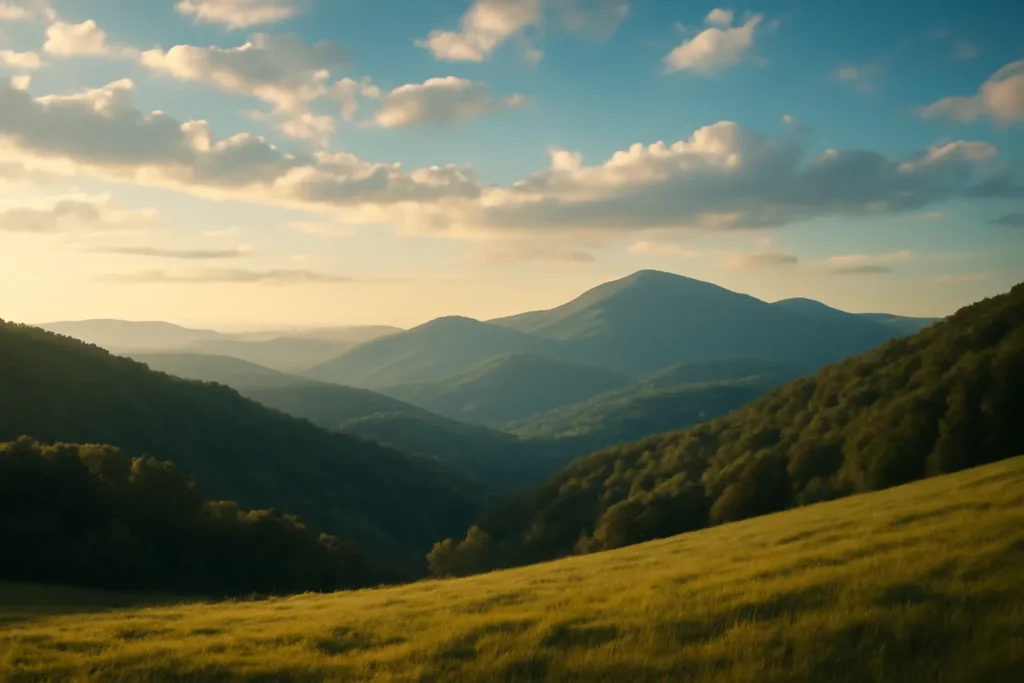
As you ascend, the horizon expands, and horizons are dynamic: a distant peak may reveal a new saddle, a glacial cirque, or a hidden waterfall. Even on popular routes, the perspective shifts with weather, light, and cloud cover, offering a living map in motion. The act of looking to the hills becomes a practice in note-taking with the senses: you notice the scent of pine, the cadence of your steps, the warmth of sun on the back, and the texture of the trail underfoot. By paying attention, you’ll read the land as you move, using the hills as a guide for pace and purpose.
Benefits Beyond the View
Physical health: cardiovascular improvements, leg strength, and endurance.
Mental clarity: reduced rumination, improved mood, and greater concentration.
Environmental connection: a deeper sense of place and responsibility toward nature.
Social bonding: shared goals and stories that strengthen friendships or family ties.
Variations on the Theme: Different Ways to Look
Try substituting phrases as you narrate your journey or write about it later. Some expressive options include: look toward the hill skyline, look up to the ridge line, cast your gaze to the far ridge, survey the hillside in the golden hour, and glance at the valley floor receding below. These variations help you describe experience with nuance, and they remind you that the hills can be interpreted through multiple lenses — geologic, ecological, cultural, and personal.
Planning Your Hillside Adventure
A successful hillside outing begins long before you strap on your pack. Great looks require thoughtful preparation, practical planning, and a respect for the terrain you intend to explore. In this part, we cover trail selection, risk assessment, and a framework for turning an idea into a well-executed journey.
Choosing Trails
Difficulty and distance: Select routes that align with your current fitness, time constraints, and experience level.
Elevation gain and grade: Pay attention to total ascent and average slope to gauge effort and pacing.
Terrain variety: Mix rocky sections with forested miles to reduce fatigue and add interest.
Exposure and sun: Some hillsides offer protective canopies, others open to blazing sun or wind; plan clothing and shade breaks accordingly.
Water sources: Identify creeks or streams if you intend to refill, and know where potable water may be treated safely.
Seasonal Considerations
Spring offers abundant wildflowers and running streams but can bring muddy trails and sudden storms.
Summer emphasizes heat management, early starts, and shorter, well-hydrated routes.
Autumn presents cooler temperatures, colorful vistas, and variable leaf-fall conditions that can obscure a path.
Winter introduces snow, ice, and shorter daylight hours, demanding appropriate equipment and careful planning.
Planning Tools and Resources
Maps (topographic and terrain maps) to understand contours and potential hazards.
GPS devices or apps for route tracking, emergency location, and offline access in signal-limited areas.
Trail guides and local knowledge from park rangers, fellow hikers, or community lists.
Weather forecasts tailored to mountain or ridge environments, including wind, temperature, and storm risk.
Itinerary and Timing
Define a realistic start time and target finish time, leaving margin for slower sections or detours.
Plan for breaks at scenic overlooks or shade, not simply at the halfway point.
Set a return time that accounts for fading daylight and changing weather.
Share your plan with a friend or family member, including expected location and emergency contacts.
Gear, Safety, and Preparation
Appropriate gear is not a luxury; it is a foundation for comfort, safety, and the ability to enjoy the hills without compromising your health or that of others. This section outlines essentials and why they matter, from clothing to navigation, water, and emergency readiness.
Base layer: moisture-wicking to reduce chill when damp and to keep you dry on steamy days.
Insulation layer: a lightweight fleece or wool layer for cool mornings and shade breaks.
Outer shell: windproof and water-resistant to protect against wind, spray, and sudden showers.
Footwear: sturdy hiking boots or shoes with good tread and ankle support for uneven terrain.
Headwear and gloves: sun protection, warmth, or wind protection as conditions demand.
Footwear and Load
Footwear fit: ensure a snug fit with enough toe room, and consider gaiters for mud or snow.
Backpack: a comfortable fit with a snug hip belt; enough capacity for layers, water, and snacks.
Weight management: aim for a light but complete kit; every item should earn its keep.
Navigation and Essentials
Map and compass as a failsafe backup to electronics.
Headlamp or flashlight with fresh batteries, even on day hikes.
First-aid kit tailored to hikers, including blister care and minor wound supplies.
Emergency signaling items such as a whistle or reflective mirror.
Hydration, Nutrition, and Comfort
Hydration plan: water ounces per hour, plus electrolytes on longer days or hot weather.
Energy foods: balanced snacks with carbohydrates and protein for steady energy.
Sun protection: sunscreen, sunglasses, and lip balm with SPF.
Rest breaks: short respites to maintain energy, especially at high elevations or after steep climbs.
Techniques for Enjoying the View
Looking to the hills is also a practice of technique. The right approach to pace, posture, and perception can transform a routine hike into a meaningful encounter with the landscape. The sections below offer practical tips for maintaining energy, capturing scenery, and savoring the experience without rushing through it.
Pacing and Energy Management
Conserve energy on steep sections by short, steady steps and controlled breathing.
Walk technique: a mid-foot strike, light hands, and relaxed shoulders help you move longer with less fatigue.
Breaks: plan regular pauses to observe your surroundings, hydrate, and refuel.
Photographing Scenic Views
Capturing the moment should enhance the experience, not derail it. Use these basics to create compelling images while staying present:
Composition: use leading lines from the trail or ridgeline to guide the eye toward the horizon.
Light: early morning or late afternoon light adds depth and warmth to hills and valleys.
Perspective: try different angles—kneeling for foreground interest, or shooting from a higher point for a sweeping context.
Mindful Observation
Make time to notice small details: an arcing hawk, the scent of pine after rain, the texture of lichen on rock, or the way wind shapes the meadow grasses. In practice, you can pause to look at the hills with curiosity, then resume with renewed energy and focus.
Respect for others and for the land is essential to ensuring future generations can enjoy the same beauty. By embracing etiquette and best practices, you help protect fragile ecosystems and maintain a high standard of safety on shared trails.
Trail Etiquette
Right-of-way: yield to uphill hikers and slower travelers; step aside on narrow sections.
Noise discipline: keep voices and music low to preserve natural soundscapes.
Obstacles: avoid detours off-trail; stay on marked paths to protect vegetation and soil integrity.
Leave No Trace Principles
Dispose of waste properly: pack out all trash and leftover food; never leave litter behind.
Respect wildlife: observe from a distance and do not feed animals.
Protect water: avoid contaminating streams; choose durable surfaces for rest and relief breaks.
Minimize camp impact: if camping, select established sites and follow local regulations.
Safety Mindset on the Hills
Trail signaling: carry a whistle and know basic emergency calls for your area.
Weather awareness: be prepared for rapid changes in mountain climates; retreat if conditions degrade.
Group dynamics: keep the group together, check on slower members, and stay on agreed routes.
The Wildlife and Ecology of Hills
Hills support diverse communities of plants and animals adapted to elevation, slope, and microclimates. Understanding this ecology helps you look with care toward the hills, broadening your knowledge while increasing your safety and the enjoyment of your hike.
Conifer forests: shade, cooler air, and a chorus of birds, insects, and mammals.
Rock and scree zones: hardy lichens, small mammals, and reptiles that thrive in exposed, rugged terrain.
Wildlife-Viewing Etiquette
Observe from a distance and avoid approaching or feeding wildlife.
Keep pets under control on leash where required to protect both animals and people.
Leave disturbances behind: if an animal notices you, back away slowly and give space.
Accessible and Beginner-Friendly Experiences
Hills are for everyone, and there are many approaches to ease into the habit of looking to the hills with confidence. This section highlights routes, gear choices, and strategies designed for beginners or people returning to hiking after a break.
Choosing Your First Hillside Trails
Shorter distances with moderate elevation gain to build confidence.
Well-marked trails with clear signage to reduce navigation stress.
Loop routes that avoid backtracking, offering varied scenery without repetition.
Building Confidence Over Time
Begin with a friendly, predictable route once a week or every other week.
Gradually increase distance or elevation while monitoring energy and recovery.
Record observations about the hills and your own responses to build a personal trail diary.
Building a Longer-Lasting Outdoor Practice
Beyond a single hike, the hills can become a recurring practice that shapes health, mindset, and social connections. The key is consistency, curiosity, and a willingness to adapt to the land and the seasons. Consider these ideas to deepen your routine while maintaining balance and joy in the outdoor life.
Creating a Habit
Schedule regular trips to different hills or ridges to explore diverse scenery.
Set annual goals for elevation gain, distance, or number of hikes.
Share your progress with friends or a hiking club to stay motivated and accountable.
Cross-Training for Hill Readiness
Cardio: cycling, swimming, or stair climbing to improve endurance.
Strength: leg-focused routines like squats, lunges, and step-ups to build power for climbs.
Balance and flexibility: yoga or mobility work to prevent injuries on uneven terrain.
Keeping notes about trail conditions, wildlife sightings, and personal responses to ascent can create a meaningful narrative of your outdoor evolution. When you look to the hills with a reflective stance, you build a library of experiences that informs future choices and deepens appreciation.
Community, History, and the Cultural Value of Hills
Hills have nourished communities for generations, shaping cultures, economies, and stories. A hike is not merely physical movement; it is an encounter with history, land-use patterns, and the memories of people who have traversed these same landscapes long before you. By learning from the past and engaging with present-day communities, you can enjoy a richer, more connected outdoor life.
Trail networks often reflect historical routes used for trade, migration, or access to resources.
Settler and Indigenous histories intersect with currently popular trails in varied ways, offering opportunities for respectful learning and dialogue.
Community Voices and Local Knowledge
Local clubs and guides can provide context about terrain, seasonal hazards, and flora and fauna.
Volunteer stewardship programs help protect trails and habitat while building a community of practice around safe, responsible hiking.
Language, Names, and Meaning
Ridge lines and hilltops carry names that encode history, culture, and geography. When you look toward the hills and hear local names shared by guides or long-time residents, you access layers of meaning that enrich the experience beyond the physical exertion.
Look to the Hills in Different Cultures and Languages
Across cultures, hills and mountains hold symbolism, spiritual significance, and practical meaning. This section offers a broad, respectful glimpse into how different communities relate to elevated landscapes and how language shapes our perception of height, distance, and horizon.
To illustrate how these ideas translate into a real-world outing, here is sample planning for a one-day hike that prioritizes safety, enjoyment, and mindful observation. The plan emphasizes pacing, scenic payoff, and the habit of looking to the hills with clarity and care.
Example Itinerary
Start time: early morning to catch soft light and cooler temperatures.
Trail choice: a moderate loop with a couple of overlooks and a stream crossing.
Lunch spot: shaded rock outcrop with a panoramic view.
Turnaround point: a designated marker or landmark with a clear return route.
Return time: sunset-friendly window; allow time for reflection and photos on the ridge.
Safety Checklists
Check the weather forecast and plan for contingencies.
Tell someone your plan and expected return time; share your route details.
Bring a map, compass, and a charged device with offline access.
Carry enough water and energy-rich snacks; consider a small emergency kit.
As you close each day on the hills, you carry with you more than photographs; you carry the discipline of looking, listening, and learning. The hills teach you to manage risk with preparedness, to seek beauty with restraint, and to celebrate small gains on the way to larger horizons. When you next venture outside, take a moment to look to the hills with intention, and let the landscape guide you toward greater balance, curiosity, and connection with the world around you.










Leave a Reply