How Do You Become a Deaconess: A Step-by-Step Guide
How Do You Become a Deaconess: A Step-by-Step Guide
If you are exploring spiritual service within a Christian community, you may be asking how to become a deaconess or how does one become a deaconess. The path varies by tradition, but common themes run through most programs: discernment, formation, practical ministry, and a formal recognition of service. In many churches, a deaconess is a woman who dedicates her life to helping others, supporting liturgical life, and extending compassionate outreach. This article provides an extensive, step-by-step guide that outlines the typical journey, explains the key differences across denominations, and offers practical advice for preparing for this path. While the exact requirements can differ from one church to another, the general arc of discovery, preparation, and service remains a steady compass for those who believe they are called to this form of ministry.
What is a Deaconess? Understanding the Role and Its Variations
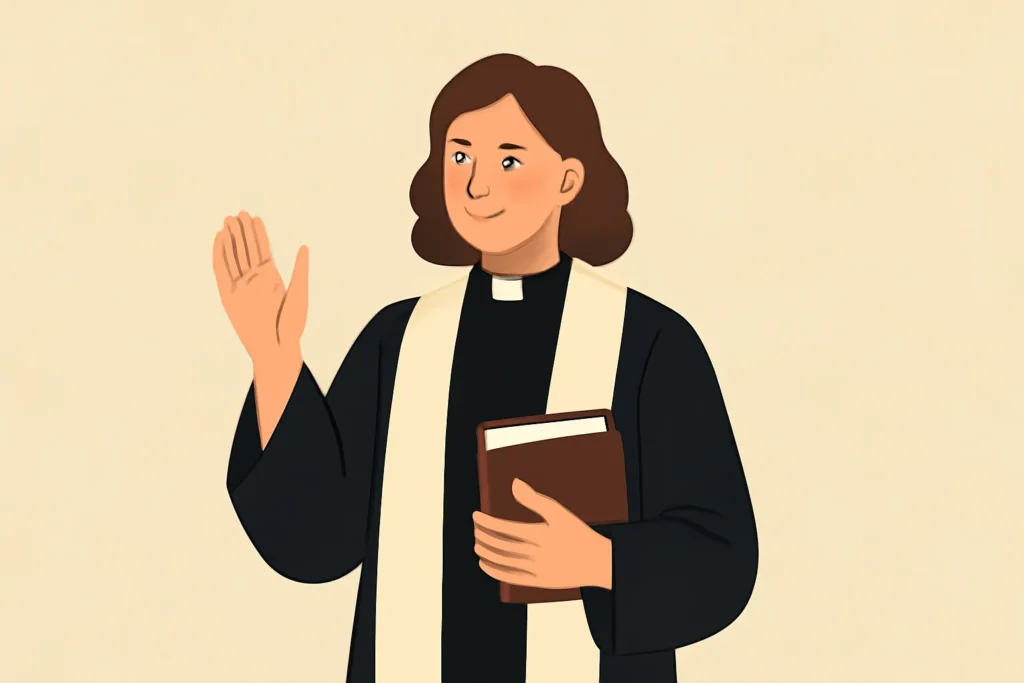
Across Christian traditions, the title deaconess refers to a woman who serves the church in charitable, liturgical, and pastoral roles. In some denominations, deaconesses participate in ordained or sacramental ministry, while in others they are commissioned or associated with a religious order or lay ministry. The purpose is consistent: to model servanthood, to assist in caring for the vulnerable, and to contribute to the church’s life and mission. When you begin to ask what does it take to become a deaconess, you are stepping into a process that blends spiritual formation with practical preparation.
Is This Path Right for You? Exploring Vocation, Calling, and Readiness
What does it mean to pursue this vocation?
Stepping toward deaconess formation is more than a career choice; it is a vocational journey. Those who pursue this path often describe a deep sense of calling to service, leadership in the church, and a desire to bring hope to communities. It is important to distinguish between a personal ambition to serve and a shared, congregational discernment that recognizes a genuine calling from God and the church.
Key questions to consider
Do you feel drawn to acts of service, hospitality, and care for the marginalized?
Are you ready for years of study, spiritual formation, and ongoing accountability?
Can you commit to living out a disciplined life of prayer, study, and pastoral presence?
Are you prepared to work within a specific denominational framework with its own rules and expectations?
Is there a mentor, shepherd, or spiritual director who can accompany you on this journey?
A Step-by-Step Guide to Becoming a Deaconess: The Core Pathway
Below is a comprehensive, practical outline of the process that many churches follow. While you will want to consult your own denomination’s standards, this guide provides a robust framework that can help you prepare for each stage. Throughout this section, bolded terms highlight pivotal moments and concepts that recur in most pathways: discernment, formation, education, vows or commitments, ordination or commissioning, and ministry placement.
Initiate discernment and establish spiritual oversight.
Talk with your pastor, parish leader, or a designated discernment committee.
Identify a spiritual director or mentor who can walk with you through reflection, prayer, and study.
Engage in structured discernment exercises, retreats, and reflective journaling to explore your calling and your gifts.
Meet eligibility and mature readiness requirements.
Verify church membership, regular participation, and a stable personal life in alignment with your denomination’s expectations.
Demonstrate a track record of faithful service in your local context and within the wider church community.
Obtain endorsements from your clergy and a supervising body that will support your candidacy.
Enter a formation program — the core of the education pathway.
Join a formal formation track that includes theology, liturgical practices, pastoral care, and church history.
Engage in courses on scripture, ethics, worship leadership, and ministry with diverse populations.
Participate in supervised ministry experiences to connect theory with practice.
Complete education and training requirements specific to your denomination.
Take coursework or earn a credential (certificate, diploma, or degree) as mandated by your church.
Attend workshops on pastoral care, conflict resolution, and community outreach.
Develop a personal spiritual formation plan, including regular prayer, Scripture study, and spiritual retreats.
Acquire practical ministry experience under supervision.
Serve in congregational ministries such as education, hospitality, or care ministries.
Engage in outreach activities that support families, the elderly, the sick, and the marginalized.
Document your experiences, reflect on your growth, and seek feedback from mentors and supervisors.
Proceed through a formal assessment and approval process.
Submit a candidacy report and dossier detailing your formation progress, spiritual development, and ministry readiness.
Participate in interviews with a canonical board, diocesan authority, or a similar governing body.
Receive a formal recommendation to proceed to ordination or commissioning, with any conditions clearly stated.
Receive a vow, pledge, or formal commitment (as prescribed by your tradition).
Some traditions involve solemn commitments tied to service, chastity, obedience, or simplicity.
In other contexts, the commitment may be more pastoral and service-oriented, without formal vows.
Understand the ongoing expectations for accountability, ethical conduct, and fidelity to church teaching.
Be named or commissioned as a deaconess (ordinal steps may vary by tradition).
In some churches, candidates are ordained to a deaconess role, which may confer sacramental or official church standing.
In other communities, candidates are commissioned or installed as deaconesses through a liturgical service or rite of dedication.
Expect a formal ceremony that marks the completion of training and the official beginning of ministry.
Engage in ongoing formation and ministry placement.
Continue theological study, leadership development, and spiritual growth throughout your ministry.
Be assigned to a ministry setting—such as a parish, mission outreach, hospital chaplaincy, or education program—where you will contribute to the life of the church.
Participate in regular supervision, support groups, and peer feedback to sustain growth and accountability.
Denominational Variations: How Different Traditions Shape the Path
The journey to becoming a deaconess is not identical in every church. The steps, terminology, and authority structures differ among denominations. Below are several representative models to help you understand how the question how do you become a deaconess can be answered in distinct traditions. Use these as a roadmap, not a rigid rulebook; always consult your local church leadership for the precise requirements.
Anglican and Episcopal Traditions
In many Anglican and Episcopal communities, there is historical precedent for deaconesses and certain forms of women’s ordination or commissioning. Key features often include:
An explicit calling discernment process, typically through diocesan authorities.
A structured formation program that combines academic study with hands-on ministry in parishes and community settings.
Either ordination to the diaconate (where permissible) or commissioning for service, possibly with vows or commitments aligned with the church’s canonical framework.
Liturgical involvement in worship, pastoral care, and charitable outreach, with a strong emphasis on service to the poor and marginalized.
Orthodox and Eastern Christian Contexts
The Orthodox tradition emphasizes ecclesial order and sacramental life, and the role of a deaconess is not universally present as a formal sacramental order. In some communities, lay or monastic women participate in distinctive forms of service, and there are examples of historical deaconess roles. In contemporary practice, pathways may involve:
Guided discernment and mentorship within a local diocese or monastic community.
Specialized spiritual formation focused on liturgical service, pastoral care, and charitable work.
Community recognition and leadership in ministries aligned with the church’s theology and canon law, rather than a standardized ordination as a deaconess.
Lutheran, Methodist, and Reformed Traditions
Several Protestant traditions recognize deaconess roles as an important form of lay or ordained service. Common features include:
A formal process of vocational discernment with church leadership.
Educational pathways that may include seminary-level courses, nursing or social work training, or theological study.
Commissioning or ordination to a deaconess role that authorizes specific ministry tasks, such as pastoral care, education, or community service.
Structured ongoing formation and evaluation to maintain alignment with church mission and ethical standards.
Catholic and Anglican-Influenced Contexts
In the Catholic Church, the term deaconess has historical resonance and does not correspond to an active sacramental order for women today. Some Anglican-communion churches, however, have developed paths for women to serve in comparable leadership roles, often with distinct rites or commissions. When exploring this path in Catholic-influenced or Anglican-influenced contexts, be aware of:
Differences between ordained diaconate (for men in Catholic tradition, sometimes for women in certain Anglican contexts) and non-ordained service roles.
The possibility of commissioning or a formal service of dedication without sacramental ordination in certain communities.
Opportunities for women to participate in leadership through religious orders, lay associations, or hospital and social-service ministries.
Education and Training: What Knowledge and Skills Do You Need?
A robust education and training plan is essential to becoming an effective deaconess. The combination of intellectual formation, spiritual practice, and practical ministry equips you to serve with competence and care. Key areas typically include:
Theology and Scripture: A solid grounding in biblical interpretation, church history, and doctrine helps you articulate faith in a living, informed way.
Liturgical Leadership: Understanding worship order, sacraments or rites, and the ability to assist in or lead services responsibly and reverently.
Pastoral Care and Counseling: Skills for listening, providing comfort, crisis response, and ethical guidance in various life situations.
Community Outreach and Social Justice: Methods for addressing poverty, health, education, and housing, with cultural sensitivity and inclusivity.
Ethics and Canon Law: Familiarity with the church’s ethical expectations and governance structures, including accountability mechanisms.
Pastoral Leadership and Administration: Practical skills for coordinating ministries, budgeting, team-building, and program development.
Spiritual Formation: Practices of prayer, meditation, fasting, and spiritual disciplines that sustain long-term service.
Format and Settings of Training
Training can take multiple forms, including formal seminary-level programs, diocesan academies, parish-based training with mentorship, or monastic-style formation. Some common formats are:
Intensive curricula spanning one to three years, with a blend of classroom study and fieldwork.
Hybrid models combining online coursework with in-person intensives or retreats.
Supervised field placements in churches, hospitals, schools, or nonprofit organizations.
Clinical components for pastoral care, such as training in crisis intervention or ethics debates.
Practical Ministry: Where Will a Deaconess Serve?
Ministry placement is a crucial component of preparation. The range of service areas reflects the church’s mission and the needs of the community. Typical settings include:
Parish ministries such as catechesis, youth work, women’s ministries, and hospitality teams.
Pastoral care roles in hospitals, nursing homes, homebound ministries, and bereavement support.
Education and outreach programs in schools, community centers, and mission projects.
Liturgical assistance who help with preparations for worship, sacristy duties, and coordinating lay participation.
Social services partnerships that address food insecurity, housing, healthcare access, and refugee support.
Mentorship, Spiritual Guidance, and Accountability
One of the most important components of the journey to become a deaconess is ongoing mentorship and accountability. A trusted spiritual director or mentor helps you navigate questions about vocation, personal boundaries, and ethical decisions. Regular check-ins with a formation supervisor provide feedback on growth, posture, and demonstrated readiness for service. Accountability structures are designed to keep you aligned with the church’s mission, theological standards, and community expectations.
Common Questions About Becoming a Deaconess
Several questions often arise during the process, and having clear answers helps maintain momentum and clarity. Here are some frequently asked questions with concise responses.
Is there a universal standard for becoming a deaconess?
No. Standards and procedures vary widely by denomination, diocese, and local congregation. The best approach is to consult your own church’s catechetical or canonical offices to learn the exact requirements, timelines, and rites in your context.
Do you have to be a virgin or unmarried to become a deaconess?
In some traditions, there have been expectations about celibacy or single life; in others, married women have pursued this path with appropriate discernment and pastoral counsel. The current practice is diverse, and local guidance will provide the definitive answer for your community.
What are the typical vows or commitments for a deaconess?
Vows or commitments vary widely. Some communities include formal vows related to obedience, chastity, and poverty; others emphasize lifelong service, ethical conduct, and fidelity to church teaching without explicit vows. Your diocese or parish will spell out the exact commitments tied to the role you pursue.
How long does the process take?
Timeline ranges from a couple of years to several years, depending on the formal requirements, your prior education, the pace of discernment, and the availability of training programs. Plan for a multi-year journey that prioritizes depth of formation and readiness for ministry.
Post-ordination or post-commissioning, ongoing formation continues. You will typically engage in continuing education, regular supervision, and periodic assessments to ensure you remain effective, ethical, and aligned with the church’s mission.
Practical Tips for Preparing Yourself
If you are serious about pursuing this path, consider these practical steps to position yourself well for the journey ahead. They are designed to be actionable and universally applicable, regardless of the denominational setting.
Ground yourself in daily prayer and regular study of Scripture to cultivate a heart inclined toward service and humility.
Seek mentorship early by identifying a pastor, teacher, or spiritual director who can provide guidance, share experiences, and help you navigate obstacles.
Engage in community service to build demonstrated competency in caring for others and coordinating volunteers.
Build a foundation in theology through coursework, reading, or formation programs offered by your church.
Document your journey with reflections, letters of recommendation, and a record of service, which will be useful during candidacy reviews.
Develop leadership and communication skills through public speaking, teaching, and team leadership opportunities.
Respect boundaries and ethics by learning about professional boundaries, confidentiality, and safeguarding vulnerable populations.
Life After Becoming a Deaconess: Ongoing Growth and Ministry
Once you are recognized as a deaconess, the journey continues. Ongoing growth is essential because ministry evolves with the needs of the church and the community. Expect opportunities to deepen your theological understanding, expand your pastoral skills, and contribute to the church’s mission in new ways. Lifelong learning, spiritual nourishment, and trusted accountability relationships are central to sustainable ministry. In many traditions, continued supervision and regular evaluation help ensure that you remain effective, ethical, and faithful to your calling.
Myths and Realities About Deaconess Ministry
There are several common myths about the path to becoming a deaconess. Debunking these helps you approach the process with clarity and realism. One myth is that this path is primarily for those who want to be full-time clergy; in reality, many deaconess programs balance lay and vocational ministry, depending on the denomination. Another myth is that deaconesses hold the same authority as priests; in most contexts, the role involves leadership and service rather than sacramental priesthood, though the specifics differ by tradition. A final myth is that the process is quick or easy; in truth, it typically requires sustained commitment, education, discernment, and community support over multiple years.
Resources to Explore: How to Begin Today
To start or continue your journey, consider the following concrete steps and resources:
Meet with your local pastor or diocesan office to discuss discerning the call and to obtain a copy of the official requirements.
Identify a spiritual director or mentor who can accompany you on the discernment path.
Review available formation programs in your tradition, including their curriculum, duration, and costs.
Attend information sessions, open houses, or introductory courses offered by church leadership or seminaries affiliated with your denomination.
Connect with current or former deaconesses or women in leadership roles to gain practical insights and honest realities of ministry life.
In sum, the journey to become a deaconess is a meaningful and significant undertaking that blends spiritual formation with practical ministry. Whether your path leads to ordained service, commissioned ministry, or a devoted lay vocation, the underlying commitments remain constant: a life of service, a heart for justice and compassion, and a faithful response to God’s call within the church. As you explore the possibilities and navigate the steps outlined above, maintain a posture of prayer, humility, and openness to guidance from trusted mentors and church leadership. With patience, study, and sustained ministry, you can grow into a role that profoundly shapes your life and the lives of others for the good of the community and the glory of God.





Leave a Reply