God Is Our Refuge and Our Strength: Finding Comfort and Courage in Difficult Times
God Is Our Refuge and Our Strength: Finding Comfort and Courage in Difficult Times
God is our refuge and our strength—a timeless assurance that has provided comfort to generations and continues to offer courage in the face of hardship. This article invites readers to explore how the biblical image of God as refuge and strength can be understood, applied, and lived out in daily life. By weaving theological reflection with practical wisdom, we will consider what it means to find shelter, steadiness, and even joy when circumstances feel overwhelming. We will use variations of the phrase to broaden semantic reach and to show how the language of faith can express a single, enduring truth: that divine presence holds and sustains us in moments of weakness and times of trial.
Introduction: A Steady Foundation in Times of Trial
When storms rise—whether they arise from personal loss, collective upheaval, or the slow grind of chronic worry—the heart searches for something solid to cling to. The conviction that God is our refuge and our strength offers more than poetic consolation; it provides a framework for resilience. To say that God is a shelter is to name a relationship in which a person can breathe again, realign priorities, and regain a sense of safety. To say that God is strength is to acknowledge a source of energy and courage that does not originate in us alone but flows from a source greater than our circumstances.
In this article we explore both dimensions—refuge and strength—as complementary aspects of a single divine offer: protection and power that enable faithful living under pressure. We will examine biblical roots, psychological insights, historical expressions, and practical disciplines that help a person experience a living, enduring shelter and a resilient, steadfast heart.
Section 1: The Promise of Refuge
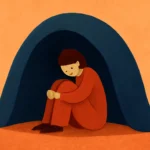
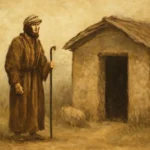
Throughout sacred texts, the image of God as a place of safety sits beside the call to trust. The word refuge evokes a sanctuary, a harbor in a storm, a fortress that stands against threats, and a quiet place where the worry of the day can lose its grip. When we say God is our refuge, we are naming a multidimensional experience: shelter from fear, a confidant who understands our tears, and a community advocate who pleads on our behalf before the powers that threaten peace.
In Psalm 46, a celebrated passage often cited for its message of safety, the psalmist invites readers to recognize that even when kingdoms topple and mountains tremble, there remains a protective presence. The verse invites us to trust in a sanctuary that does not disappear under pressure but remains remarkably present: “God is our refuge and strength, a very present help in trouble.” The phrase present help is not a distant promise but a current reality—one that can be experienced in the middle of struggle, not only after it has passed.
When we consider other phrases that express the same idea, we gain their semantic breadth. Consider variations like the Lord as a fortress, the shelter of the Most High, or the shelter in the storm. Each form highlights a facet of the same enduring truth: in times of danger, God stands as a reliable point of contact, a place where fear can be acknowledged and courage can be rediscovered.
Section 2: The Reality of Strength in Weakness
Strength in the biblical imagination is not merely physical stamina; it is endurance, steadfastness, and the capacity to keep moving toward hope even when fear lingers. The statement that God is our strength acknowledges that human power has limits, but divine power does not. This understanding invites a reorientation: rather than striving to generate courage from within alone, we open ourselves to the energy that comes from trust in God’s faithful character.
Varied expressions of strength appear across traditions and times. Some turn to phrases like God gives me strength, the Lord is my fortress, or the divine rock on which I stand. Each formulation emphasizes a different facet of divine help: sustaining endurance, defending from harm, and offering a foundation that remains when other foundations falter.
In psychological terms, believing that God is our refuge and our strength can act as a cognitive ally in times of stress. It can reduce catastrophic thinking, increase sense of safety, and support adaptive coping strategies. It is not a denial of pain but a reframing of pain within a larger story in which meaning and purpose persist. Faith communities often translate this into practical resilience: praying, gathering, and serving together become not escapist retreat but strategic reorientation toward healing and growth.
Section 3: Theological and Spiritual Dimensions of Refuge
To understand refuge theologically is to ask not only what God does but who God is. If refuge is the quality of shelter, then God’s character as loving, just, merciful, and sovereign provides the ultimate guarantee that shelter is trustworthy. “God is our refuge” is not a solitary label; it is part of a relational reality in which the divine presence arises among the cries of the afflicted and the prayers of the weary. In this sense, refuge is both a place and a person—an opening to divine companionship when you feel most alone.
Meanwhile, to say God is our strength speaks to a dynamic relation: strength is not merely a property of God; it becomes a resource available to us. When a person experiences fatigue, despair, or confusion, the divine strength offers a current that renews vitality. The Bible often depicts this through metaphors that resonate across cultures: wind in the sails, a fortress at a hilltop, a lamp in the night, and a physician for the broken heart.
In practical terms, this dual identity—refuge and strength—invites believers to cultivate two kinds of habits. First, a posture of rest and trust that allows the soul to enter into a moment of safety, even while danger persists. Second, a posture of action and empowerment that channels divine energy into courageous living, even when the path ahead is uncertain. Put differently: the refuge invites us to slow down; the strength invites us to move forward with courage.
Section 4: Practical Disciplines for Daily Refuge and Strength
4.1 Prayer as a Doorway to Presence
Prayer is often the most immediate way people encounter the reality that God is present. It can take many forms: conversational petitions, contemplative listening, or a simple acknowledgment of need. In moments of fear, prayer can become a doorway through which the divine presence enters, offering peace and perspective. You might frame prayer as a daily habit that anchors you, or you can use it as a spontaneous response to crisis. Either way, the aim is not to escape pain but to invite a trustworthy companionship into the experience of pain.
4.2 Scripture, Meditation, and Reflection
Scripture often functions as a compass and a reservoir. Passages that declare God is our refuge or our strength provide vocabulary for naming the inner experience, while stories of deliverance offer models for trust under pressure. Engaging with sacred texts through guided reflection—such as journaling about verses that speak of shelter or endurance—helps translate abstract assurance into concrete steps for daily living. Additionally, meditative reading can slow the pace of anxious thoughts and provide a steadying rhythm in which the heart learns to rest in divine care.
While personal faith matters, the social dimension of refuge is equally important. Communities—families, faith groups, neighbors—embody a living shelter that honors and sustains the vulnerable. Community warmth and shared practice cultivate resilience. Practical expressions include gathering for prayer, sharing burdens in small groups, and practicing acts of service that remind participants they are not alone. A trusted circle can reflect back our fears with empathy while pointing toward hopeful possibilities, embodying the truth that God speaks through people who love well.
4.4 Creative Practices for Bearing Witness
Creativity—through writing, music, art, or visual expression—can translate spiritual truth into embodied experience. When words feel insufficient, creative acts can reflect a lived confidence that God is with me in the smallest moments and the largest trials. Journaling about experiences of refuge, composing a simple hymn of praise, or painting a scene of peaceful waters can become reminders that the divine presence informs daily life.
4.5 Service and Solidarity
Engaging in acts of service reframes personal hardship within a larger story of compassion. When we serve others who suffer, we participate in God’s work of healing in the world. This not only helps relieve distress in tangible ways but also deepens the sense that we are part of a community under divine care. The act of lifting someone else’s burden can become a source of renewed courage for the giver, reinforcing the conviction that we are not abandoned even when circumstances push us toward isolation.
4.6 Rituals of Restoration
Rituals—whether traditional or newly created—provide structure for experiencing refuge and strength. Lighting a candle in quiet prayer, repeating a familiar refrain, or observing a season that marks suffering and recovery can help translate abstract assurance into a recurring practice. Rituals signal that life has rhythm, that pain does not have the final word, and that grace can be reexperienced with the turning of the year or the turning of a new page in the diary of one’s life.
4.7 A Practical Pattern: Three Measures of Refuge and Strength
Pause — Slow down the pace of the day to acknowledge fear, pain, or confusion without pretending it does not exist.
Invite Presence — Open a space for the divine presence to meet you in stillness, prayer, or honest conversation.
Move with Purpose — Act in ways aligned with hope, whether through prayerful action, love for others, or personal restoration.
Section 5: Historical and Literary Perspectives on Refuge and Strength
Across centuries and cultures, poets, theologians, and ordinary people have used variations of the idea that God is our refuge and our strength to interpret the world and to endure. In literature and tradition, shelter often appears as a metaphor for trust, not as a denial of hardship but as a way to endure it with dignity and courage. Here are a few perspectives that illustrate this breadth:
Scriptural witness: The Psalms repeatedly name God as refuge and fortress, inviting readers into a posture of confidence that does not erase pain but sanctifies it through hope.
Patriarchal and maternal images: The divine strength is sometimes pictured through maternal care or protective leadership, offering a rich gendered dimension to the metaphor of shelter and power.
Theological pluralism: In many faith traditions, the idea of divine protection and vitality appears in different idioms—protector, comforter, liberator, healer—each bearing the core truth of steadfast companionship.
Faith and risk: Historical accounts show believers stepping into unknown futures not with bravado but with a confident trust in a faithful companion who travels ahead and with them.
These perspectives demonstrate that refuge and strength are not abstract virtues but living realities that shape the way people think, speak, and act. The effective articulation of this truth often arises from communal memory—shared prayers, stories of deliverance, and tangible acts of mercy that translate doctrine into daily life.
Stories—both ancient and contemporary—provide a way to see the concept of refuge in motion. They demonstrate how belief in God as shelter and strength can translate into concrete courage when it matters most. The following vignettes are illustrative rather than exhaustive, offering a sense of how people experience refuge in real life.
A family in crisis: In a season of illness and financial strain, a household learns to live with less, lean into community support, and still find moments of quiet trust. The father speaks of a persistent sense of God’s presence at the hospital bedside, while the mother discovers that small acts of kindness from neighbors become go-to sources of strength, echoing the claim that the Lord is with you in every corridor of fear.
A student under pressure: A college student facing demanding coursework and homesickness discovers that prayer and routine study breaks can transform anxiety into steady progress. By the end of the term, the student sees the semester not as a battleground but as a journey where refuge provided a harbor for the heart and strength supplied the stamina to endure and finish well.
A caregiver’s endurance: A person tending a loved one with a long illness finds that community support—meals, rides, and listening ears—becomes a tangible expression of the divine shelter. In moments of exhaustion, a whispered prayer—“be our refuge, be our strength”—becomes a sustaining rhythm that carries them through the night shift.
An artist’s resilience: An artist facing creative burnout learns to lean into spiritual rest, recasting fear as a prompt to re-enter their studio with humility and hope. The act of returning to the craft becomes a spiritual discipline, transforming constraint into a new kind of freedom, grounded in the conviction that God’s presence is enough for every season.
These stories are not meant to minimize suffering but to illuminate a way through it—one that keeps the heart oriented toward the assurance that God is our refuge and our strength, a living reality that can be touched in daily life through prayer, community, service, and art.
Section 7: Frequently Asked Questions about Refuge and Strength
What does it mean that God is a refuge? It means that God provides safety, safety of the soul, not necessarily safety from every external hardship. It is a protection of meaning, relationship, and inner peace that persists even when circumstances are difficult.
How can belief in God’s strength help during anxiety? Believing in divine strength can reframe anxiety as a challenge to be faced rather than a threat to be denied. It invites a trust-based response—prayer, reliance on community, and deliberate action—that can reduce the grip of fear and increase resilience.
Is refuge compatible with action? Yes. Refuge is not passivity; it is the anchor that makes courageous action possible. After finding shelter, one is equipped to move forward with clarity and resolve, guided by hope rather than despair.
Can nonbelievers experience the ideas of refuge and strength? Absolutely. People of various worldviews may recognize the practical wisdom of seeking shelter in times of trouble, drawing from moral, psychological, or community-centered sources that echo the same principles of safety, resilience, and courage.
Section 8: The Impact of the Message in Everyday Life
Believing that God is our refuge and our strength does more than provide consolation; it shapes decisions, relationships, and priorities. It can influence how we respond to bad news, how we treat strangers in distress, and how we measure success in difficult seasons. Some of the observable impacts include:
Emotional regulation: A sense of a protective presence can dampen the intensity of fear and foster steadiness in the face of volatility.
Healthy risk assessment: Hope anchored in refuge allows for bold yet prudent choices, as decisions are tempered by a long view of purpose and belonging.
Long-term resilience: Individuals who cultivate refuge and strength often recover more quickly from setbacks and maintain a more integrated sense of self across challenges.
Compassionate communities: When people experience divine shelter in their own lives, they are more likely to extend shelter to others through acts of kindness and solidarity.
Ultimately, the message that God is our refuge and our strength invites a holistic way of living—one that honors the pain of the moment while embracing a horizon of endurance and hope. It reframes hardship as a space where character can be formed and where trust can mature into a durable virtue that sustains us when fewer things do.
Conclusion: Courage Grounded in Faith and Community
In difficult times, many people search for a safe harbor—somewhere to lay their heads, their fears, and their questions. The ancient assurance that God is our refuge and our strength rises to meet this longing with a double invitation: rest and resilience. It is a call to lean on something greater than ourselves, to anchor the heart in a faithful presence, and to move forward with courage that is nourished by hope, community, and practice.
As you continue to face life’s storms, you might consider adopting a personal rhythm that mirrors this dual promise. Begin with a moment of pause to acknowledge fear or pain, then invite the sense of divine presence to enter. From that place of refuge, take a next step—whether it is a small act of service, a quiet period of reflection, or a conversation with someone you trust. In time, the relationship between refuge and strength can become a steady compass for living with integrity, compassion, and hope, even when the night feels long.
For readers seeking a final synthesis, here is a concise statement to carry forward: God is our refuge and our strength, a shelter that holds and a source that empowers. This is not a one-time declaration but a lifelong practice—an ongoing journey of trust, courage, and renewal. May you experience the shelter you seek, and may you discover the strength you need to walk through the days ahead with grace and steadfastness.
Note: The language of refuge and strength can be expressed in many ways across cultures and faith traditions. If you are exploring this topic from a different spiritual lens, you may find parallel phrases and practices that similarly emphasize safety, courage, and compassionate action. The core impulse remains: to be held, to be renewed, and to move forward in hopeful steadfastness.
Final Reflections: A Short Guide to Living with Refuge and Strength
Embrace stillness: Create small daily moments of quiet where you can acknowledge fear and still your heart.
Name your refuge: Identify the form your sense of shelter takes in your life—whether prayer, nature, a friend, or a community gathering.
Cultivate courage: Let your response to fear be not denial but purposeful action—one small, faithful step at a time.
Build a circle: Nurture relationships that offer listening, empathy, and practical support in times of trouble.
Serve others: Use your strength to lighten another’s load; in giving, you may discover your own resilience renewed.






Leave a Reply