Belt of Truth in the Bible: Meaning, Symbolism, and Spiritual Armor
Belt of Truth in the Bible: Meaning, Symbolism, and Spiritual Armor
The belt of truth is one of the most intriguing pieces of the biblical imagery used to describe the Christian armor. Placed at the core of the set, it represents a foundational commitment to truth in every dimension of life. In this article, we will explore the meaning of the belt of truth in the Bible, its symbolism, and how it functions within the larger concept of spiritual armor. We will look at historical context, translation variations, theological implications, and practical applications for believers today.
In the apostolic portrait of spiritual warfare, the belt of truth is described as the first piece to be put on, signaling that all other elements of armor depend on a solid grasp of truth. The image goes beyond a simple statement about honesty; it speaks to a holistic grasp of reality as God presents it, and a lifestyle shaped by that reality.
Truth as Reality and Reliability
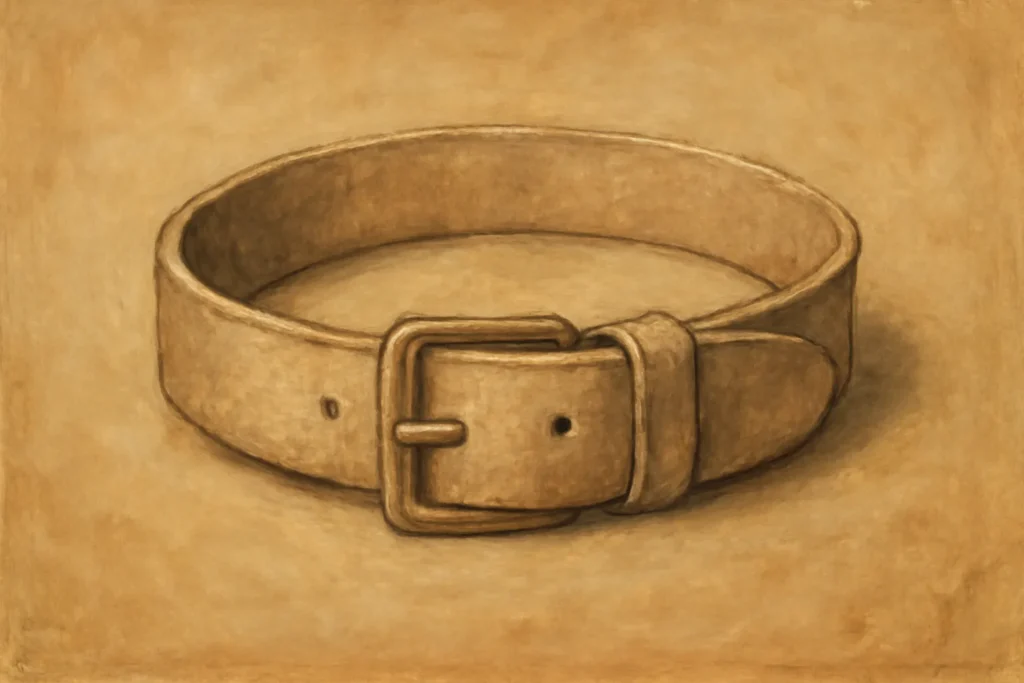
The belt serves as the practical anchor for the rest of the armor. When a soldier girds himself, the belt cinches the tunic, keeping fabric out of the way so the soldier can move freely and fight effectively. In spiritual terms, this suggests that truth is not only a set of propositions but a framework for living: it stabilizes the mind, anchors the will, and shapes behavior. The truth belt binds the warrior’s life to what is real in God’s revelation.
Truth as Personal Integrity
A robust understanding of truth in biblical language includes integrity, reliability, and consistency between belief and action. The belt of truth is therefore also a summons to align speech, motives, and conduct with God’s character. When truth governs the heart, a believer is less vulnerable to the distortions of deception, fear, and self-deception. In this sense, the belt is as much about inner orientation as it is about outward equipment.
Truth and the Gospel
The gospel itself is a truth claim with transformative power. The belt of truth can be understood as the commitment to ground Christian life in the truth of who Jesus is, what he accomplished, and how his message reorders all things. Grammar and rhetoric aside, the belt anchors a life that refuses to bend easily to counterfeit narratives. This is why the belt is listed prominently at the start of the armor: the gospel truth must govern every other piece.
Truth as Doctrine and Practice
The biblical concept of truth covers both doctrinal accuracy and practical fidelity. The belt of truth thus invites believers to uphold right doctrine while living consistent with it. Doctrinal conviction without moral integrity fails to gird the life for battle, and moral zeal without truth risks misdirection. The synergy between beliefs and behaviors is woven into the image of a belt that holds together all other components of spiritual armor.
Historical and Cultural Context: The Girdle and the Roman Armor
To appreciate the imagery of the belt, it helps to understand the Roman military equipment in which Paul’s readers would recognize the function of a girdle. The belt, worn around the waist, secured the tunic, fastened equipment, and carried or supported weapons such as the sword. The phrase often translated as “gird your loins with truth” in older English Bibles hearkens to this practical function.
The Belt in Roman Military Kit
The girdle or belt held the tunic in place so a soldier could move with agility in close combat.
It could bear the weight of tools or weapons, providing quick access when needed.
The belt functioned as a central anchor point for the rest of the armor, ensuring that other pieces remained properly positioned during battle.
In Paul’s day, soldiers would tighten the belt before donning the rest of the armor: the belt was not a decorative accessory but a practical necessity. Translators who render the phrase as “gird your loins with truth” are emphasizing both the action of securing oneself in truth and the readiness that follows. The image thus communicates a readiness to respond to whatever the combat demands, with truth as a reliable, stable reference point.
How the Belt Connects to the Other Pieces
Because the belt holds or anchors the other armor components, its symbolism extends to the entire spiritual armor. When truth grips a believer, the breastplate of righteousness can stay properly aligned, the feet can be fitted with readiness, and the shield of faith can be clasped without distraction. The belt is the starting point that makes possible a coherent and mobile defense.
The belt of truth intersects theology, ethics, and daily living. Its symbolism is multi-layered: it points to the nature of God as the source of truth, to human responsibility to live honestly, and to the gospel as the authoritative reality guiding all action.
Truth as God’s Character
In biblical thought, truth is not a neutral fact but an attribute of the divine. God is truth (as John 14:6 presents Jesus as the embodiment of truth) and he reveals truth about reality through Scripture. The belt of truth thus encircles the believer with the reality of God’s nature, creating a secure reference point that resists counterfeit ideologies.
Truth as a Moral Compass
The belt is also a moral instrument. It orients the believer toward honest speech, fair dealing, and transparent motives. In a world full of half-truths and misinformation, the belt of truth encourages a life of integrity, honesty in relationships, and a commitment to righteousness even when it costs something.
Readiness for ministry or for spiritual confrontation requires a robust grasp of truth. The belt tightens the believer’s capacity to share the gospel with clarity, to defend the faith against distortion, and to assess experiences by the light of revealed truth. In this sense, the belt is a practical tool for witness as well as combat.
Truth and Spiritual Freedom
When truth is rightly placed at the center of the believer’s life, deception loses its grip. The belt is a safeguard against self-deception and worldly seduction, inviting ongoing repentance, renewal, and alignment with God’s purposes.
Translations and Variations: Belt of Truth Across Bible Translations
Across Bible translations, the wording for Ephesians 6:14 shifts slightly, but the core idea remains consistent: a focus on truth as essential to readiness and protection. These variations reflect English linguistic nuance while preserving the underlying biblical image.
Common English Renderings
“belt of truth” (most modern translations) – emphasizes the belt as a literal, tangible piece of equipment and a metaphor for reliability and honesty.
“girdle of truth” (older translations) – reflects the verb to gird, highlighting the act of binding or securing truth around one’s waist.
“gird your loins with truth” (KJV and some traditional renderings) – uses a biblical phrasing that evokes readiness for action, strength, and movement.
Theological Nuances in Variants
Some versions emphasize truth as a doctrinal anchor in the life of the believer.
Others highlight the practical enforcement of truth—speech, conduct, and transparent motives—as the defining element of spiritual readiness.
In certain paraphrased texts, you may see a broader sense of truth as fidelity to the gospel message and to God’s redemptive plans for creation.
Regardless of the exact wording, the core emphasis is consistent: the believer’s life must be anchored by truth, so that the rest of the armor can function in freedom and effectiveness.
What does the belt of truth look like in daily discipleship? Here are several concrete applications that reflect the ancient image in contemporary life.
Discipline of Truth-Telling
Cultivate honesty in speech, both with others and with yourself. This includes confessing sins, acknowledging limitations, and resisting manipulation—whether in personal relationships, work, or online spaces. The belt of truth is strengthened by a habit of truth-telling that is gentle, timely, and constructive.
Alignment of Beliefs and Actions
Strive for coherence between what you profess and how you live. Doctrinal clarity should translate into ethical behavior, and ethical commitments should be supported by genuine belief in the gospel. When belief and conduct align, the armor remains balanced and usable in all seasons.
Engagement with Scripture
Let Scripture shape your understanding of reality. Regular study, meditation, and prayer that center on God’s truth fortify the belt. The Word becomes a living framework for interpreting experience, guiding decisions, and resisting persuasive but false narratives.
Accountability and Community
Truth thrives in community. Encourage accountability partners, mentors, or small groups where honest feedback is welcomed. A community anchored in truth provides mutual support for resisting deception, testing claims against Scripture, and practicing righteous living.
Witness and Evangelism
Sharing the gospel with clarity requires the belt of truth to be securely fastened. When your understanding of the truth is well-formed and your character is trustworthy, your testimony carries weight. This is especially important in environments saturated with competing worldviews or relativistic ideas.
Ethics in the Digital Age
In an era of information abundance and misinformation, the belt of truth invites discernment. Check facts, discern motives behind content, and practice respectful, truthful communication online. The armor must function in both physical and digital battlegrounds.
The armor of God is a cohesive ensemble. Each piece supports the others, and the belt of truth plays a pivotal anchoring role.
Breastplate of righteousness—truth protects moral integrity, so the heart is shielded against corruption and wrongdoing.
Feet fitted with the readiness of the gospel of peace—truth preserves the gospel’s message in a way that enables courageous sharing and steadfast endurance.
Shield of faith—truth strengthens faith by grounding it in God’s reliable promises and verified revelation.
Sword of the Spirit—while the belt secures, truth also becomes a weapon exercised by the Word, enabling discernment and proclamation.
In practice, a believer who is anchored in truth is better prepared to stand firm when spiritual opposition intensifies. The belt holds every other piece in place, making the whole armor effective rather than scattered.
Questions and Reflections
Why is the belt placed before the other armor in Paul’s description?
How does truth function as both a cognitive and a moral reserve for a believer?
What are contemporary challenges to keeping the belt tight in a fast-changing cultural landscape?
How can a community help one another maintain integrity and truthfulness in daily life?
Reflecting on these questions can deepen you into the practical spirituality of living with the belt of truth. Consider journaling about times you found it difficult to live in truth and how the surrounding armor—especially righteousness, faith, and the Word—helped you endure.
Historical Faithfulness and Contemporary Relevance
Across centuries, Christians have drawn on the belt of truth to articulate a coherent life of faith. The concept has proved adaptable to diverse contexts—church communities, families, schools, and workplaces—because it speaks to a universal human need: to anchor life in reality as revealed by God.
The belt of truth does not only defend against counterfeit ideas but also invites an active engagement with truth in service to others. When a person’s life is girded by truth, relationships tend to become healthier, leadership more principled, and service more sincere. The image calls believers to cultivate a posture of humility before truth, readiness to correct, and generosity in sharing what one has learned from God.
In contemporary theology and pastoral practice, the belt remains a useful metaphor for teaching about integrity, doctrinal fidelity, and the practical outworking of faith. It is a reminder that spiritual armor begins with a confident and ongoing commitment to truth—before any other resource is deployed for spiritual warfare.
Closing Thoughts
The belt of truth in the Bible stands as a dynamic symbol that joins epistemology, ethics, and mission. It encourages believers to ground every aspect of life in the truth of God as revealed in Scripture, to live with consistency between belief and action, and to move forward with confidence into the challenges of spiritual warfare. By understanding its historical context, its theological depth, and its practical applications, readers can approach the armor of God not as a static list of ideas but as a living framework for faithful discipleship.
As you consider your own journey, ask how your life is girded with truth today. Are there areas where deception—whether self-deception or external manipulation—has crept in? What steps can you take to strengthen your grip, so that the belt remains secure and the rest of the armor can function with maximum effectiveness? The call remains one of ongoing growth, repentance, and steadfast trust in the God who is the source of all truth.










Leave a Reply