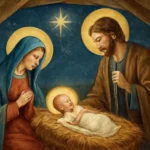
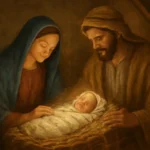
The Christmas season invites many of us to tell the story of the birth of Jesus in a way that feels personal, intimate, and true to the drama of that holy night. A well-crafted Jesus Christmas Scene—whether it appears as a small table centerpiece, a grand window display, or an outdoor tableau—can become a focal point for reflection, conversation, and family tradition. In this long guide, you’ll find practical, creative, and thoughtful ideas for building a nativity display that is not only beautiful but meaningful. The aim is to help you craft a nativity display or Christ Child scene that speaks to your space, your community, and your beliefs, while honoring the symbolic elements that have informed Christmas decor for generations.
Understanding the Jesus Christmas Scene: A Tradition of Nativity Displays
A Jesus Christmas Scene is more than a decorative arrangement. It is a narrative device that gathers characters such as Mary, Joseph, the infant Jesus, shepherds, angels, and animals into a single tableau that invites viewers to pause, listen, and remember. Across cultures and time, the nativity display has served several purposes: it educates children about the biblical story, it invites hospitality and charity, and it re-centers the season on its theological meaning rather than solely on consumer cues. When planning your own birth of Jesus tableau, consider both the story you wish to tell and the setting you have to tell it in, whether you call it a Bethlehem scene, a Nativity scene, or a Christ Child display.
Origins and symbolism
Nativity scenes trace their roots to medieval devotion, traveling guilds, and family households that used portable figures to retell the Christmas story.
Common symbols include the infant in a manger, the guiding star, the humble stable, the Holy Family, and the adoring shepherds.
Symbolic elements can be adapted to reflect your own faith tradition, cultural context, or local landscape while preserving core meaning.
Design Principles for a Stunning Nativity Display
To craft a display that is both aesthetically compelling and theologically meaningful, anchor your project with a few core design principles. These guidelines help you make intentional decisions about scale, storytelling, color, materials, and placement.
Storytelling and narrative flow
Tell a story from left to right or bottom to top. Consider the sequence: the announcement to Mary, the journey to Bethlehem, the birth, and the visit of the shepherds and wise men (if you include them). A clear narrative arc makes the display readable at a glance.
Include a focal point. Usually, that is the infant Jesus in the manger, which should draw the eye first before the surrounding figures.
Use a consistent scale. If you mix figures of different sizes, the display may feel whimsical rather than sacred. If you opt for miniature figures, keep them proportionate to the setting, not just the human figures.
Color, light, and texture
Choose a color palette that evokes warmth and reverence—earthy browns and golds with touches of deep blue or white can be very striking.
Soft, warm lighting enhances the sense of wonder without washing out details. Consider hidden LEDs or warm-toned bulbs behind gauzy drapes, or a small lantern placed nearby for glow.
Textures matter. Natural materials such as wood, slate, burlap, and linen add tactile depth that reinforces the humble, rustic mood of a traditional nativity.
Materials and durability
Choose materials that suit your space and climate. Indoor scenes can use delicate fabrics or porcelain figures, while outdoor displays should be weather-resistant or protected with covers.
Consider using interchangeable elements so you can refresh the scene each year without complete reconstruction.
Safety first: use non-toxic paints, avoid small parts for households with small children or pets, and secure heavier pieces to prevent tipping.
Layout and accessibility
Place the scene at a comfortable viewing height. A mantle, shelf, coffee table, or dedicated display case works well depending on room layout.
Ensure the display remains accessible for maintenance and for those who wish to engage up close with the figures and symbols.
For households with children, consider a section of the display that invites touch or soft storytelling props that are safe for little hands.
Indoor Jesus Christmas Scene Ideas
Indoor arrangements offer a controlled environment to craft a powerful Christ Child tableau. Below are ideas that range from simple to elaborate, with tips on materials, assembly, and storytelling potential.
Table-top manger on a wooden tray with burlap or moss for a rustic feel. Include Mary, Joseph, and the infant in a small manger, with animals beside them.
Mantle vignette using a fabric backdrop, a stable silhouette cutout, or a painted scene with soft lighting behind it for depth.
Incorporate props like tiny lanterns, miniature hay bales, and a star hung above to draw the eye upward toward the infant.
Mantle and shelf displays
Multi-scene nativity on a long mantel, with the main scene centered and symmetrical pairs of shepherds, kings, and animals on either side.
Use varying textures—fabric cliffs, faux moss, and a rolled parchment backdrop that tells a short verse or prayer.
Layer height with small boxes or plinths to create depth and a sense of a “landscape” rather than a flat diorama.
Windowsill and corner setups
Create a minimally lit, contemplative corner with a narrow Bethlehem-inspired landscape, using a single star and a quiet, serene color palette.
Use silhouettes for distant figures in soft focus to suggest a larger world beyond the frame while keeping the infant at the center focus.
Seasonal storytelling: rotating elements
Plan a rotating display where different elements appear across Advent, such as a shepherd scene during one week and a Magi tableau later in the season to reflect the Epiphany.
Include simple scripture cards or prayer prompts that guests can read aloud as they approach the display.
Outdoor Nativity Scenes: Creating a Magical Night
Outdoor nativity displays extend the season’s message to neighborhoods, schools, and community centers. They also pose unique design challenges: weather, weatherproofing, and long-term durability. Here are ideas and best practices to create a beautiful, respectful, and durable outdoor birth of Jesus scene.
Weatherproofing and materials
Use weatherproof figures made for outdoor use or seal wood and paint with outdoor-grade finishes to protect against rain, snow, and sun.
Secure larger pieces with stakes or anchors to prevent tipping in wind.
Choose neutral, fade-resistant paints and materials to minimize upkeep across weeks of exposure.
Lighting and night-time display
Install soft lighting to highlight the infant at the center. Consider a concealed LED strip along the base or a solar-powered lantern at the foreground.
A subtly lit star or heavenly glow behind the manger can create a sense of awe without overpowering the figures.
Site layout and traffic flow
Position the display near walkways with clear sightlines so viewers can appreciate it from multiple angles.
Provide a reflective space nearby—benches or a small seating area—so visitors can pause, reflect, and pray if they wish.
Community collaborations
Invite neighbors or local religious groups to contribute one element of the scene—an animal, a star, a shepherd’s staff—to foster shared ownership.
Host a short, community-driven reading of Luke 2 or a brief Advent reflection in conjunction with the display to deepen meaning.
Materials and Crafting Techniques for a DIY Nativity
Whether you’re building a Jesus Christmas Scene from scratch or adapting a ready-made set, choosing the right materials and techniques matters. Here are practical approaches for a durable, beautiful, and personal nativity.
Wood, stone, and metal: durable core pieces
Carved wooden figures with hand-painted details bring warmth and a traditional feel.
Stone or resin bases can ground the scene and give it a timeless look that withstands time if kept indoors or sheltered outdoors.
Metal accents, like halos or a stylized star, create focal points and a sense of luminosity when light hits them.
Fabric and texture
Use natural fabrics—cotton, linen, wool—for clothing and draperies to add softness and authenticity.
Craft moss, sisal, or jute textures for ground cover and landscapes to evoke a humble, earthy setting.
Clay, papier-mache, and sculpted figures
Air-dry clay or polymer clay is excellent for small, detailed figures. Seal with a matte varnish to protect against humidity.
Papier-mache can cover cardboard or wire armatures to create sturdy, lightweight landscapes or grottoes.
Lighting and electronics
Low-voltage LED lighting is energy-efficient and safe for indoor use.
Consider hidden battery packs or plug-in options to keep wires organized and unobtrusive.
Illuminated stars, halos, or a gentle backlight behind the scene can dramatically elevate drama and reverence.
Step-by-step DIY outline
Define your scene size and choose a base or platform that will support the figures and landscape elements.
Sketch a simple layout: typical arrangement places the Holy Family at the center with animals nearby, shepherds and wise men at the periphery.
Assemble the main figures and sequentially add background elements like a stable, palm trees, or a hillside landscape.
Paint, seal, and texture surfaces. Apply weatherproofing if the display will be exposed to the elements.
Install lighting and test from different viewing angles. Adjust shadows and highlights to maximize focus on the infant Jesus.
Label elements with small, tasteful placards or put prayer prompts nearby for reflection.
Lighting and Atmosphere for the Jesus Christmas Scene
Good lighting can transform a nativity display from a static scene into a moving, contemplative experience. The goal is to illuminate the central figure of Jesus without overpowering the surrounding figures or creating glare. Thoughtful lighting can evoke a sense of reverence, awe, and warmth.
In indoor settings, place the light source slightly above and in front of the infant to simulate a divine glow without harsh shadows.
Use warm white LEDs (2700K–3000K) to create a cozy, timeless ambiance.
For outdoor displays, solar-powered LEDs offer simplicity and sustainability, especially in late winter evenings.
Layered lighting for depth
Backlighting: illuminate the backdrop softly to provide depth and prevent a flat appearance.
Accent lighting: highlight the major figures with focused light to draw attention exactly where you want it.
Ambient lighting: ensure the space around the display remains inviting for viewers to linger and reflect.
Theological and Symbolic Context of the Nativity
While aesthetics matter, a thoughtful nativity scene carries theological meaning. Understanding symbolism can help you communicate a richer narrative through arrangement, materials, and accompanying text.
Key symbols to consider
The manger or trough symbolizes humility and the birth in simple conditions.
The star represents divine guidance and fulfillment of prophecy.
The Holy Family anchors the scene in everyday faithfulness and obedience.
The shepherds and wisemen illustrate revelation and universal significance of the birth.
Animals in the stable remind us of creation’s reverence for the Christ Child.
Incorporating scripture and prayers
Include scriptural cards or short verses near different figures to invite readers to read aloud or reflect quietly.
Consider a brief Advent reflection that explains how the nativity relates to themes of hope, peace, joy, and love.
Global Traditions and Cultural Perspectives on Nativity Displays
Across the world, many communities reinterpret the Jesus Christmas Scene with local materials, customs, and artistic traditions. This diversity enriches the meaning of Christmas and demonstrates how a single story can be lived in many ways with respect and beauty.
European and North American approaches
Traditional creches in parts of Europe often incorporate detailed, life-sized figures and historically accurate outfits that reflect regional dress.
In North America, families frequently adapt the scene to fit urban apartments or rural homesteads, using modular pieces that can be stored easily between seasons.
Latin American and Caribbean exemplars
Nativity displays may incorporate vibrant colors, adobe-like textures, and regional crafts such as clay figurines and woven fabrics.
Community plazas often host large-scale outdoor Bethlehem scenes during Advent, inviting storytelling, music, and shared meals.
African and Asian interpretations
Some communities incorporate local flora, textiles, and instrument motifs to reflect the cultural landscape while preserving core elements of the Holy Family and manger.
Artists might weave regional themes of hospitality and peace into the nativity composition, highlighting universal values of welcome and care for vulnerable communities.
Inclusive and contemporary adaptations
Modern nativity scenes may feature inclusive families, diverse clothing palettes, and non-traditional settings that still honor the central message of the narrative.
Some displays use non-religious symbolism to invite broader audiences to engage with the themes of light, hope, and goodwill without losing their religious meaning for those who celebrate Christmas as a religious holiday.
Accessibility, Inclusivity, and Respect in Nativity Displays
As you plan a Jesus Christmas Scene, consider how to make it accessible and welcoming to a broad audience. Thoughtful design ensures that the display communicates its message without alienating visitors who come from diverse backgrounds or who have different levels of physical accessibility.
Considerations for accessibility
Place the main scene at a comfortable viewing height for people seated, standing, or using mobility devices.
Provide resting areas nearby for visitors who wish to pause and reflect for a moment.
Offer large-print or alt-text descriptions for any digital or printed materials accompanying the display.
Inclusive storytelling
When displaying characters, consider portraying a compassionate, inclusive message—emphasizing the universal nature of Christmas as a story about welcome and care for the stranger and the vulnerable.
Use language and signs that invite curiosity and learning rather than judgment, so the display becomes a place of dialogue as well as devotion.
Maintenance, Storage, and Seasonal Care
To preserve the beauty and significance of your nativity display, practical maintenance matters. A well-tended scene remains a source of inspiration year after year and reduces the risk of damage from frequent handling or weather exposure.
Seasonal care routine
Dust figures gently with a soft brush or microfiber cloth. Use a sealant appropriate for the material if you plan to keep the figures on display for extended periods.
Inspect for wear after each season—check wires, lighting, and stability of the base, and repair as needed.
Store elements in labeled containers with protective padding to prevent breakage and to facilitate reassembly next year.
Rotation and refresh ideas
Invest in modular elements that can be rearranged to produce a different composition each year (e.g., different animal ensembles, new backdrops).
Consider seasonal additions like a simple snowy foreground, a starry sky backdrop, or a gentle landscape that can be swapped in to refresh the display.
Engaging Children and Families with the Nativity Scene
A Jesus Christmas Scene can be a child-friendly, learning-rich activity. When families participate in creating or evolving the display, they form memories that connect art, faith, and daily life.
Hands-on activity ideas
Invite children to color or paint backdrop cards, create small handmade animals, or craft mini shepherd staffs using safe materials.
Encourage kids to tell a short version of the nativity story as they place figures around the scene, reinforcing sequencing and narrative understanding.
Story prompts and reflective prompts for families
Provide brief prompts that families can discuss aloud during Advent, such as: What does the star symbolize in our home? How can we show hospitality to guests during Christmas?
Offer a printable or digital card with a short prayer or reflection that families can read together near the display.
Modern Twists on an Ancient Story: Contemporary Nativity Concepts
There is room for artistry and innovation within the classic Christ Child display. Some modern interpretations place the Holy Family in present-day settings, while others incorporate symbolic reinterpretations to address social themes such as compassion, justice, and mercy. When pursuing a modern nativity concept, balance imagination with reverence so that the central message remains clear.
Urban and minimalist takes
A pared-down scene with clean lines, monochrome tones, and a single illuminated star can exude quiet dignity and modern elegance.
Use sleek materials like acrylic, glass, or metal to create a contemporary base while keeping the infant figure as the focal point.
Environmental and social themes
Incorporate symbols of shelter, food distribution, or care for the vulnerable to reflect present-day acts of hospitality that echo the nativity story.
Display elements that encourage generosity—a small donation box, a tag indicating charitable giving in honor of Christmas, or a placard inviting guests to contribute to a cause.
Virtual and augmented reality extensions
For tech-savvy households or public spaces, consider a companion QR code that links to a short reading or audio reflection about the nativity story.
Augmented reality features can allow visitors to explore the landscape around the manger, revealing hidden details or extended verses when viewed through a smartphone.
Practical Tips for Building and Maintaining Your Nativity Display
To ensure your Jesus Christmas Scene is both beautiful and enduring, here are practical reminders and best practices grounded in everyday experience.
Budgeting and sourcing
Plan a budget that fits your space and anticipated lifespan of the display. You can build a meaningful scene with modest investments and creative reuse of materials.
Shop for durable pieces that can be easily stored and reused. Look for modular components that can be reconfigured in future years.
Safety and child-friendly considerations
Secure heavy pieces to the ground or a sturdy base to prevent tipping.
Avoid small detachable parts that could pose choking hazards for young children.
Choose paints and finishes that are non-toxic and safe for indoor use if children will be nearby.
Storage and longevity
Design a simple storage plan with clearly labeled containers. Store fragile pieces in padded boxes and consider climate control if you live in areas with extreme temperatures.
Document the layout with a simple photo or sketch so you can recreate the scene accurately next year.
Closing Reflections: Why a Jesus Christmas Scene Endures
A well-conceived nativity display remains a powerful way to connect daily life with timeless storytelling. The nativity tableau invites curiosity, invites contemplation, and invites generosity. It serves as a gathering point for families, friends, neighbors, and visitors who come with diverse backgrounds but shared wonder at the humble birth of the Christ Child. Whether you choose a compact birth of Jesus setup on a kitchen table or a grand outdoor scene that spans a front lawn, the essence remains the same: to witness anew the story of Christmas in a format that respects history, honors faith, and welcomes the modern world into a sacred space of hope and peace.
Final Thoughts: Crafting a Meaningful Nativity Experience
As you plan your encapsulation of the Christmas story, remember these guiding ideas:
Let your Jesus Christmas Scene tell a story that is accessible and engaging for your audience, whether they are longtime members of your faith community or first-time visitors exploring the season.
Balance tradition with personal voice. A nativity display can honor centuries of devotion while reflecting the unique character of your family, neighborhood, or congregation.
Practice hospitality. A nativity display becomes most meaningful when it inspires conversations about peace, charity, and care for one another during the Christmas season and beyond.
We hope this guide has given you a robust set of ideas for constructing a Jesus Christmas Scene that is both visually stunning and spiritually nourishing. From the intimate glow of a tabletop manger to the inspiring grandeur of an outdoor scene, there are countless ways to honor the birth of Jesus with respect, creativity, and reverence. May your nativity display be a beacon of light, learning, and love in the days leading up to Christmas and throughout the year.