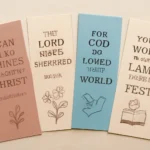
Bible verse cards are a compact, portable way to keep powerful passages close at hand. Whether you call them Scripture verse cards, verse cards, or printable scripture cards, these little tools are designed to present short, memorable verses in a format that is easy to read, carry, and reflect upon. They serve as anchors for daily devotion, study, and encouragement, and they can be adapted for personal use, family life, classroom settings, or liturgical contexts. In this article we explore what Bible verse cards are, why they matter, the different variations and formats, practical tips for designing and printing them, and a practical guide to creating your own set from scratch.
What Are Bible Verse Cards?
At their core, verse cards are small cards—often a few inches in size—each bearing a single Bible verse or a short passage, along with cues to help memory and reflection. They can be designed for quick reading, deliberate meditation, or study prompts. The general purpose is to transform Scripture into a format that is:
Portable and easy to carry—in a wallet, binder, backpack, purse, or a dedicated pocket in a Bible or journal.
Digestible—a single verse, a few lines, or a concise excerpt that invites focused reflection.
Actionable—often paired with a short prompt such as a prayer, a commitment, or a memory cue.
Accessible—usable by people of different ages and Bible translations, with language tuned for clarity.
The practice of using card sets for Scripture memory has a long history in Christian communities. Early forms might have been hand-copied verses tucked into pockets or prayer journals. Today, printable scripture cards and digital templates make it easy to customize, reproduce, and share verse cards with others. Whether you are seeking to memorize key lines, reinforce Sunday school lessons, or encourage a family devotion, Scripture cards provide a portable, repeatable rhythm for spiritual growth.
Variations and Formats
The world of bible verse cards is diverse. You will encounter a range of formats, sizes, and presentation styles—each with its own benefits. Below are several popular variations and the kinds of contexts they best serve.
Printable Scripture Cards
The most common form of these resources is the printable scripture cards set. These are designed to be printed on standard paper, card stock, or pre-cut cardstock, then cut into individual cards. They often include:
A single verse on a card with reference (and sometimes the book, chapter, and verse).
A clean, high-contrast layout for readability.
Optional extras such as a themed border, small devotional prompts, or space for personal notes.
Printable scripture cards are ideal for households that want a low-cost, highly customizable system. They can be printed in color or grayscale, cropped to sizes such as 3×5 inches, 4×6 inches, or compact 2×3 inches. For families, classrooms, or small groups, printable sets are easy to update as life circumstances change or as new topics arise.
Different Card Sizes and Styles
The size of verse cards matters for usability. Common formats include:
3×5 inches cards—classic size that fits well in a pocket or small wallet and is easy to shuffle in a card box.
4×6 inches cards—larger surface area for more context, small illustrations, or additional prompts.
2×3 inches mini-cards—ultra-portable, ideal for memory drills, or for distributing many verses in a single session.
Some sets lean toward devotional verse cards, which pair a verse with a short reflection or prayer. Others emphasize memory verse cards, where the layout prioritizes the exact wording and reference to support recall. Still others favor thematic verse cards, which cluster verses around topics such as faith, hope, love, grace, leadership, or guidance.
Another axis of variation is the thematic approach and the translation used. You may encounter:
Thematic verse cards aligned with topics like forgiveness, gratitude, courage, or stewardship.
Book-by-book cards, where a short card corresponds to a passage from a particular book of the Bible.
Translation options—card sets available in NIV, ESV, KJV, NRSV, or regional translations, depending on your preference or community norms.
Choosing a translation is often a balance between readability, accuracy, and devotional resonance. If you print your own cards, you can create multiple versions to suit different readers—from a straightforward, modern-language rendering to a more formal, traditional style.
Practical Uses of Bible Verse Cards
How you use verse cards can shape your spiritual routine. Here are several practical applications that people frequently find meaningful.
Daily reflection: Read one card as your morning or evening devotion and meditate on its implications for the day ahead.
Family routines: Place a card on the dining table or in a family journal to prompt discussion or a short prayer before meals or bedtime.
Memory work: Use a set of memory verse cards to build recall through spaced repetition and frequent recall prompts.
Teaching aids: In Sunday school or Bible study, cards can cue discussion prompts, memory work, or discussion of themes and applications.
Prayer reminders: A card bearing a verse about a specific need (e.g., healing, provision, patience) can be kept in a prayer journal or placed near a workspace as a reminder to pray for that intention.
Public worship and small groups: Cards can be passed around for responsive readings, liturgical cues, or group memorization exercises.
Use in Educational Settings
In classrooms and youth programs, printable scripture cards offer a tangible way to engage learners. Teachers and leaders may:
Distribute a card with a verse tied to a lesson objective.
Incorporate cards into timed challenges or memory games.
Provide students with space on the card for personal reflection or application ideas.
Use a set of cards as a quick warm-up activity before discussing a larger passage.
Design and Printing Considerations
If you plan to print your own printable scripture cards, several design decisions will affect readability, aesthetics, and durability.
Typography and Color
Choose a clean, legible font for the verse text. Sans-serif fonts (like Arial, Calibri, or Open Sans) work well for small sizes; serif fonts (like Times New Roman or Georgia) can convey tradition and gravitas.
Ensure adequate contrast: dark text on light backgrounds improves readability, especially for older readers or those with vision differences.
Limit the number of font styles on a card to maintain a cohesive look.
Consider a subtle color palette that matches the theme of the verses or the season of the church calendar.
Layout and Readability
Use a clear layout with ample margins. A centered alignment for the verse and a smaller line for the reference can be effective.
Include the verse reference (book, chapter, verse) in a smaller font, so the main verse remains the focal point.
Optionally add a short prompt or reflection line beneath the verse to guide meditation.
Leave space on the card for personal notes if you plan to distribute to others or encourage journaling.
Materials and Durability
Card stock is a common choice for longevity and a sturdy feel. A weight around 60-100 lb (90-170 gsm) is typical, depending on your printer and cutting method.
Consider lamination for durability, especially for cards used by kids or in busy group environments. Laminated cards resist spills and wear and can be wiped clean.
Alternative: use foil-stamped or double-sided printing for a polished, professional finish.
If you cut by hand, ensure you have a sharp paper cutter or a dependable pair of scissors to create clean edges.
Practical Printing Tips
Print a test page on plain printer paper to verify alignment, font size, and contrast before committing to card stock.
Use bleed margins if your printer supports it, so edges print cleanly to the edge of the card.
For batch production, create a template in your preferred software (Word, Google Docs, Canva, or InDesign) so you can reuse layouts and swap verses easily.
Organize completed cards by theme or book to simplify distribution and use in sessions.
How to Create Your Own Verse Cards: A Step-by-Step Guide
Creating your own Bible verse cards can be a Bible-centered craft that yields a resource tailored to your personal or community needs. Here is a practical, beginner-friendly guide to make your own printable scripture cards.
Select verses: Decide on a scope—one theme (e.g., courage, hope), a whole book, or a curated set of memory verses. Choose verses that resonate with your audience and purpose.
Choose a size: Pick a dimension (3×5, 4×6, or 2×3) based on how portable you want the cards to be and how much context you want to fit on each card.
Decide on the layout: Create a layout that displays the verse prominently, with a smaller reference. Consider adding a border or watermark with your logo or a theme image.
Prepare your templates: Use a graphic design tool or a word processor. Common choices include Canva, Google Slides, Microsoft Word, or InDesign. Save your layout as a template for future use.
Format the verses: Keep line breaks clean and avoid hyphenation that can split words awkwardly. If the verse is long, consider a two-line arrangement that still fits on a single card.
Print settings: Print a test page first. Adjust margins and alignment as needed. Use color cardstock for emphasis if you want a vibrant set—or grayscale for a simpler look.
Cut and finish: Cut the cards with a paper cutter or scissors. If you want them to last, laminate or apply edge coating. Punch a small hole and add a binder ring if you want to flip through them easily.
Optional extras: Add a short reflection prompt, a prayer idea, or a space for personal notes. You can also include a QR code that links to a devotional article or audio reflection for deeper study.
Templates and Resources
If you prefer not to start from scratch, you can use ready-made templates and design resources. Look for:
Free printable templates for 3×5 or 4×6 cards, often available from worship resources or educational blogs.
Verse card templates designed for specific translations or languages, useful for multilingual households or classrooms.
Design kits including fonts, icons, and color palettes aligned with Christian aesthetics.
When using templates, be mindful of licensing terms. Some resources are free for personal use but require attribution or a license for commercial or classroom distribution.
Caring for and Personalizing Verse Cards
Your Bible verse cards can be a living resource. Personalization helps sustain engagement, especially for families, teachers, and group leaders.
Family devotion sets that rotate verses weekly and invite family members to share insights.
Student-oriented cards with language and applications appropriate for different age groups.
Church-wide cards that align with the liturgical calendar or sermon series.
Prayer card adaptations that pair a verse with a specific prayer focus for the week.
Store finished cards in decks or in a dedicated box with dividers by theme or book.
Attach a ring or binder clips to enable easy flipping and customization.
Use a slip-case or labeled envelopes to keep multiple sets organized, especially if you distribute cards to different groups.
Bible Verse Cards as a Memorization Tool
One of the most common motivations for using memory verse cards is to aid memorization through repetition, retrieval practice, and spaced review. The compact form of a card makes it easier to rehearse a verse in daily routines—on commutes, during breaks, or before bed. Here are some principles that make memory verse cards effective:
Consistent exposure: Revisit the same verse over several days to reinforce memory traces.
Active recall: Cover the text and try to recall the verse from memory, then check the card for accuracy.
Incremental difficulty: Start with shorter verses or familiar passages, then gradually add longer sections as memory improves.
Contextual cues: Include brief notes about the verse’s context or application to aid recall beyond the exact wording.
Varied prompts: Pair a verse card with a prompt or question, such as “What situation in your life does this verse speak to this week?”
Bible verse cards lend themselves to sharing in both church communities and informal circles. Here are ways people use cards to build community.
Donor or care packages: Include a verse card with care packages for people in need, hospital visitors, or mission partners as a reminder of support and hope.
Small groups: Use a card as a discussion starter or a prompt for a short, guided reflection.
Classrooms: Encourage students to select a card that matches a topic they’re studying or to memorize a verse that reinforces a virtue (e.g., kindness, honesty, responsibility).
Digital sharing: While your focus is printable cards, you can convert cards into digital images or PDFs to share via email or messaging apps for remote study groups.
Common Questions about Printable Scripture Cards
If you are new to the concept of printable scripture cards, you may have several practical questions. Here are some frequently asked questions and concise answers.
Are printable verse cards suitable for all ages?
Yes. The basic concept works well for children, youth, adults, and seniors. Tailor the font size, language, and verse length to the intended audience. For younger readers, consider simpler language or shorter verses and larger print.
What about translations and accuracy?
You can print verse cards in any translation you prefer. If you are using cards for teaching, you might want to select a translation that is both accurate and accessible for your audience. It can be helpful to provide a reference to the translation on each card or offer a quick side-by-side comparison card for more advanced study.
Where can I find ready-made printable verse card sets?
There are many reliable sources offering free or paid printable verse card templates and sets. Look for printers or ministries that specialize in devotional materials, Bible study aids, or Sunday school resources. Always verify licensing terms before reproducing cards for public use.
Can I use verse cards in a worship service?
Absolutely. Verse cards can be integrated into a service as a responsive reading, a call to reflection, or a quiet moment before or after a sermon. You can print and distribute cards to participants or project them on a screen for group reading.
How do I store and care for printed cards?
For longevity, store printed cards in a dry place, away from direct sunlight if possible. Laminate or mount cards on sturdier stock for high-use situations. If you plan to distribute to multiple groups, keep spare cards in sealed containers to protect them from moisture and wear.
Conclusion: The Value of Printable Bible Verse Cards
Bible verse cards—whether you call them printable scripture cards, Scripture cards, or verse cards—offer a practical, flexible, and deeply meaningful way to engage with Scripture. They transform long passages into accessible, memorable prompts that can accompany daily life, aid in memory, support family routines, and strengthen community learning. By choosing the right size, layout, and translation, you can create a customized set that fits your needs, your teaching context, and your spiritual goals. The process of designing, printing, and personalizing verse cards becomes an opportunity not merely to produce a tool, but to cultivate daily encounters with God’s word—tangible, portable, and ready for reflection wherever you go.