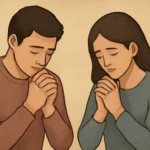
Introduction: What is church praying and why it matters
Church praying is more than a moment of individual devotion folded into a weekly service. It is the rhythmic practice by which a faith community aligns its heart, voice, and purpose before God. When a congregation gathers to pray together, it creates a space where corporate prayer, congregational intercession, and shared worship converge. This alignment does not erase difference or silence genuine concerns; rather, it invites diverse people to hold up common needs, celebrate God’s faithfulness, and discern God’s direction for the days ahead. In biblical terms, the early church demonstrated the power of prayer as a communal discipline, when they prayed together and the earth-shaking results followed (see Acts 2, Acts 4). In practical church life today, intentional patterns of united prayer can strengthen mission, care for vulnerable members, and equip believers to participate in God’s work with boldness and humility.
The purpose of this article is to provide a thorough, practical guide for churches that want to cultivate healthy, prayer-filled life together. We will explore the why, the how, and the what of prayer in community, including concrete structures, leadership roles, sample agendas, and best practices for both large gatherings and intimate prayer groups. The goal is not to replace personal devotion but to amplify it—creating a culture where prayer is normal, accessible, and transformative.
Why pray together in the church: benefits of communal prayer
Praying together within a church community offers a range of spiritual and relational benefits. These benefits do not operate in isolation; they reinforce one another as the church grows toward a shared life in Christ. Some of the most important benefits include:
Spiritual unity: When people offer prayers side by side, differences in background, language, and culture can become a mosaic rather than a barrier. A unified voice in prayer helps the church bear witness to a reconciled community.
Discernment and direction: A corporate prayer moment often surfaces concerns and leadings that individuals may not notice alone. The collective posture helps surface spiritual leading about future priorities, outreach, or ministry focus.
Encouragement and exhortation: Shared prayer invites a culture of mutual care. People carry one another’s burdens and testify to God’s faithfulness, which strengthens faith and fosters courage to take steps of obedience.
Intercession for needs beyond the church walls: A regular practice of intercessory prayer aligns a church with the needs of the community, city, nation, and the world, shaping a missional posture.
Life transformation: Consistent prayer can reorient priorities, nurture humility, reduce anxiety, and increase gratitude as believers acknowledge God’s sovereignty in every situation.
As you consider growing a practice of church praying, it helps to keep in mind that the goal is not merely to pray more but to pray well together—with clarity, love, and reverence for God and for one another.
Core forms of communal prayer: ways to pray together in church
There are several recognizable forms of prayer in community that churches often blend across a calendar year. Each form serves different purposes and attracts different participants. Here are the main varieties you will encounter, with brief descriptions to help you plan:
Corporate worship and prayer: A service where singing, preaching, scripture, and prayer are woven together. Prayer is not isolated; it is embedded within a larger flow of worship and ministry.
Congregational prayer: A dedicated time during a worship service or meeting when the entire assembly lifts up requests and thanks in unison or in responsive formats.
Intercessory prayer: Prayer focused on supplication for others—individuals, the church, leaders, communities, nations, and the world. This is often a distinct portion of a gathering.
Liturgical prayer: Structured prayers drawn from historic or contemporary liturgies, often used to teach pattern, rhythm, and theological depth to the congregation.
Spontaneous or extemporaneous prayer: Prayers offered spontaneously in response to the moment, feeling, or discernment of the Spirit. This form values authenticity and situational leadership.
Prayer circles and small groups: Smaller, more intimate settings (often with a specified format) designed to foster participation, accountability, and vulnerability.
Silent prayer and contemplation: Time set aside for quiet reflection, listening for God’s voice, and personal reflection within the corporate gathering.
Smartly mixing these forms can help a church honor tradition where appropriate while inviting fresh participation. A healthy pattern often alternates between a structured approach (liturgical or scripted prayers) and a freer, Spirit-led moment of listening and petition.
Planning and structure: how to design meaningful church praying experiences
Well-planned prayer experiences do not eliminate spontaneity—they create a framework that protects dignity, encourages participation, and keeps the focus on God. Here are key areas to consider when designing or revitalizing your church praying initiatives:
Clarify purpose and scope: Determine what you want prayer to accomplish in a given setting (for example, worship service, midweek gathering, or special outreach). Clarify whether the emphasis is on worship, intercession, discernment, healing, mission, or a combination of these.
Set a realistic cadence: Decide how often prayer gatherings occur and how long they last. Consistency is more important than frequency. A predictable cadence builds trust and participation.
Develop a recurring structure: Create a repeatable agenda that includes opening elements, a time of prayer for various themes, and a closing reflection or blessing. A predictable structure helps participants engage without feeling overwhelmed by a lack of direction.
Train leaders and volunteers: Equip leaders with practical skills, such as how to invite prayer, how to handle leading in intercession, and how to steward sensitive topics with grace and discretion.
Prepare prayer prompts and themes: Create a rotating set of themes (e.g., church unity, local needs, global missions, spiritual renewal) to guide prayer without stifling spontaneity.
Balance accessibility and depth: Ensure newcomers can participate meaningfully while also offering deeper tracks for seasoned participants.
As you implement a plan, consider a practical annual calendar that threads prayer through seasons of the church year—Advent, Lent, Pentecost, missions emphasis, and seasons of renewal. A long-term calendar helps the church keep prayer as a living backbone rather than a sporadic add-on.
Leadership and roles: guiding a church in prayer well
Effective prayer leadership requires character, care, and competence. The way leaders steward prayer often influences how the whole church experiences it. Here are core roles you might find in a robust prayer ministry:
Prayer pastors or coordinators: People who oversee the prayer strategy, recruit volunteers, cultivate prayer culture, and ensure alignment with church values and teaching.
Intercessors: Individuals trained or gifted to pray for needs with sensitivity, perseverance, and specificity. They often maintain a confidential prayer list and provide feedback on discernment and outcomes.
Liturgists and worship prayer leaders: Those who craft the scriptural readings, responsive prayers, and the cadence of corporate worship around the prayer content.
Support and care teams: Volunteers who follow up on prayer requests, offer pastoral care or assistance to those in need, and steward confidentiality and trust.
Communication and outreach coordinators: People who share prayer needs with the wider church and connect prayer initiatives with outreach and mission efforts.
Key practices for leaders include modeling humility, listening well, inviting diverse voices, guarding confidences, and pursuing spiritual discernment in tandem with pastoral oversight. The best prayer leaders are those who can guide with both firmness and tenderness, ensuring that prayer remains a spiritual discipline that builds up the body rather than becoming a platform for personal agendas.
Prayer themes and cycles: planning thematic prayer without losing spontaneity
Structured themes help a church cover a breadth of needs while maintaining space for the Spirit’s movement. Consider a rotating cycle of themes that align with scripture, church life, and community needs. Here are suggested cycles you can adapt:
Worship and renewal: Prayers focused on God’s character, gratitude, and personal renewal within the community.
Congregational health: Prayers for unity, healing, mature discipleship, and strengthening of families.
Outward mission: Intercession for neighbors, city needs, missions partners, and global events.
Church leadership and governance: Prayers for wisdom for elders, pastors, and ministry leaders; for integrity in decision-making.
Special seasons and events: Lenten reflection, Advent anticipation, Easter celebration, back-to-school outreach, and renewal camps.
Healing and deliverance: Focused prayers for physical, emotional, and spiritual healing, with clear boundaries around sensitive topics.
Grief and lament: Safe space for lament, expressing pain, and trusting God in suffering, followed by hope.
Gratitude and testimony: Giving thanks for answered prayers and inviting testimonies that strengthen faith and encouragement.
In practice, a prayer calendar can map these themes onto a weekly rhythm. For example, a monthly pattern could include a Sunday focus on intercession, a midweek prayer night dedicated to a single theme, and a quarterly day of fasting and prayer. This rhythm helps participants feel that praying together is a core habit rather than a sporadic occasion.
Preparing for the logistics: spaces, timing, and accessibility
Logistics matter, because a poorly arranged space or an unclear time frame can distract from genuine activity with God. Here are practical considerations for making a prayer gathering inviting and fruitful:
Space and environment: Create a setting that is conducive to prayer: comfortable seating, good lighting, minimal noise, and a focal point (like a pulpit, cross, or liturgical symbol). Consider a dedicated prayer room or a corner within the main sanctuary that is quiet and accessible.
Timing and duration: Keep sessions within a length that respects people’s schedules. A 45–90 minute window is common, with clear start and end cues. Offer a shorter option for newcomers or those with tight schedules.
Accessibility and inclusion: Ensure the gathering is accessible to people with mobility challenges, sensory needs, or language barriers. Provide translation, seating options, and materials in multiple formats when possible.
Safety, privacy, and trust: Establish clear guidelines about confidentiality, consent for sharing prayer requests, and safety measures for vulnerable individuals. Train volunteers in handling sensitive disclosures respectfully.
Technology and media: Use projectors, screens, or notes to present prayer prompts, scriptures, or testimonies. If online or hybrid, ensure streaming or participation options are clear and reliable.
Accessibility and thoughtful space design communicate that the church values everyone’s contribution and wants to honor God with the best environment possible. A well-considered setting communicates hospitality and seriousness about prayer.
Leading prayer in church: practical guidance for speakers and facilitators
Effective leaders cultivate an atmosphere where people feel invited to participate, yet they avoid turning prayer into a performance. Here are practical tips for those who lead in church praying settings:
Prepare in advance: Spend time in prayer and scripture to shape the prayers you will offer or guide the group through. Draft concise, scriptural prayers for various themes.
Model vulnerability: Share a brief personal reflection or testimony when appropriate to invite others to share their own experiences with God.
Invite participation: Provide simple prompts, such as “Let us lift up…” or “If you have a verse or word the Spirit has given you, share it briefly.”
Guard the pace: Alternate between spoken prayers, scripture reading, and moments of silent listening. Do not rush or crowd the space with too many voices in a short time.
Honor different voices: Welcome diverse expressions—brief prayers, scripture-based reflections, and testimonies—so the gathering reflects the church’s full body.
Handle sensitive topics with care: Provide a process for requesting prayer and ensure that information remains confidential. If necessary, redirect highly sensitive concerns to pastoral care channels.
Close with blessing and clarity: End with a unifying benediction or grid of prayers that ties together the themes covered and sends the congregation back with a sense of mission.
The aim is to empower ordinary believers to participate confidently, rather than to hold the microphone up to a single voice. When leadership emphasizes invitation, clarity, and humility, the whole church learns to pray together with greater trust and joy.
Sample structures: two model agendas for church praying experiences
To make planning easier, here are two example agendas you can adapt. They illustrate how a church might structure a full service-level prayer moment and a midweek prayer gathering. Each model aims to balance structure with space for the Spirit to move.
Model A: 60-minute congregational prayer during a worship service
Opening worship and Scripture (5 minutes)
Call to prayer and brief introduction (5 minutes)
Scripture-based prayers (10 minutes): a few short prayers rooted in a chosen passage
Intercessory focus (15 minutes): prompts for church, city, nation, and world; time for spoken or silent prayers
Petitions and gratitude (10 minutes): prayers for ongoing needs and thanks for answered prayers
Corporate blessing and commissioning (5 minutes)
Closing song or benediction (10 minutes)
Model B: 90-minute midweek prayer night with intercession emphasis
Welcome and vision (5 minutes)
Brief teaching on discernment or a specific theme (10 minutes)
Guided prayer in small groups or stations (40 minutes)
Unison prayers and shared testimonies (10 minutes)
Open microphone for spontaneous prayers (15 minutes)
Close with a unifying blessing or commitment (10 minutes)
These samples are starting points. Be ready to adjust based on your church’s size, culture, and the leadership’s theological emphases. The most important element is to create space for genuine encounter with God, not merely a routine.
Intercessory prayer in the church: a focused call to stand in the gap
Intercessory prayer is a central practice in many church prayer ministries. It involves praying on behalf of others—often those who cannot pray for themselves or whose needs are particularly urgent. Intercessory prayer helps the church embody God’s compassion in concrete ways and aligns members with God’s heart for the vulnerable and the unreached. Here are practical considerations for fostering robust intercession:
Organize a prayer focus: Create a rotating schedule that assigns different requests to specific days or weeks, making intercession manageable and sustainable.
Offer clear prayer prompts: Provide short, specific requests (names, needs, outcomes) to help people pray with precision and hope.
Guard confidentiality: Develop guidelines for handling sensitive information and protecting the privacy of individuals and families.
Provide updates: When prayers are answered, share testimonies to encourage continued participation and trust in God’s timing.
Partner with care ministries: Coordinate with pastoral care and outreach to identify individuals or groups who would benefit from intercession.
Intercessory prayer should never become a rumor mill or a forum for gossip. It should be carried out with sacred trust, gratitude, and a keen sense of humility before God’s sovereignty.
Liturgy and spontaneity: balancing tradition with fresh expression
A church that values liturgy and spontaneous prayer recognizes that both have a place in forming a holistic prayer life. Liturgical prayers teach doctrinal depth, rhythm, and memory; spontaneous prayers invite the Spirit’s immediacy and personal voice. A healthy balance might include:
Regular liturgical segments: Include confession, ofertory prayers, creed-based or scripture-based prayers, and a closing blessing as recurring elements.
Dedicated moments for spontaneity: Set aside time for people to offer unplanned prayers, testimonies, or reflections in response to the Spirit’s promptings.
Guided spontaneity: Offer prompts such as a verse to meditate on, a person to pray for, or a moment of silent listening before speaking.
Through intentional design, a church can honor the wisdom of historic prayer forms while inviting new voices and experiences into the life of the congregation. This approach helps prevent prayer from becoming routine or stale and keeps it alive as a divine conversation with God.
Unity, diversity, and inclusion in corporate prayer
One of the most powerful gifts of church praying is the invitation for diverse voices to participate in a single practice. Yet diversity can also present challenges. Address them with careful policies and a pastoral posture:
Invite broad participation: Encourage different ages, languages, cultures, and spiritual gifts to contribute in ways that honor the shared purpose of prayer.
Create safe spaces: Build environments where people feel safe to share their needs without fear of judgment or embarrassment.
Avoid coercion and manipulation: Ensure no one is pressured to share more than they are comfortable with, and respect the pace at which people engage.
Celebrate diverse prayer expressions: Welcome sung prayers, whispered prayers, spoken prayers, written prayers, and silent listening as legitimate modes of communicating with God.
Be mindful of language and accessibility: Use inclusive language and provide translation when appropriate so that no one feels excluded from participating.
When a church cultivates a culture of unity amid diversity, the congregation’s prayer life becomes a powerful witness to the world of a community that loves one another as Christ loves the church.
Common challenges in church praying and practical solutions
Any effort to foster communal prayer will encounter obstacles. Here are typical challenges and actionable solutions to keep your prayer ministry healthy and growing:
Prayer fatigue: Rotating scheduling, shorter sessions, and variety in format can prevent burnout. Encourage people to pray in their own circles between gatherings to sustain energy during public moments.
Lack of participation: Invite newcomers, assign simple roles (reader, facilitator, prayer partner), and provide written prompts to help people engage without pressure.
Confidentiality concerns: Establish clear confidentiality guidelines, train leaders, and model discretion, so people trust that personal needs are handled with care.
Misuse of the microphone: Set time limits, appoint moderators, and rotate speakers to ensure fairness and prevent domination by a few voices.
Theological disputes in prayer: Emphasize humility, unity in essentials, and respect for diverse expressions of faith. Use agreed-upon scriptures and confessions to anchor prayers in sound doctrine.
With thoughtful policies and compassionate leadership, a church can navigate these challenges while deepening the prayer life of the entire community.
Measuring impact and continuing growth in church praying
Like any ministry, a healthy prayer program benefits from evaluation. Here are several practical ways to assess and cultivate growth without reducing prayer to numbers alone:
Collect qualitative feedback: Gather testimonies about how prayer has shaped individuals, families, or ministry outcomes. Use surveys, focus groups, or informal conversations to learn what resonates and what could improve.
Track participation trends: Note attendance, volunteer engagement, and the diversity of voices contributing to the prayers. Look for increased representation across generations and cultural backgrounds over time.
Observe spiritual fruit: Seek evidence of increased courage to share faith, greater willingness to serve, stronger pastoral care, and clearer sense of God’s direction in ministry decisions.
Review alignment with mission: Ensure prayer themes consistently connect with the church’s mission, outreach, and pastoral care strategy.
Celebrate answered prayers: Publicly acknowledge and celebrate God’s faithfulness to reinforce trust and encourage continued participation.
Evaluation should be a gentle, hopeful practice that invites ongoing learning and adaptation. It is not about policing prayer but about stewarding a sacred space where people can encounter God together and grow in their ability to listen and respond to God’s leading.
Practical resources: sample prayers, templates, and checklists
To support churches in building robust prayer ministries, here are some ready-to-use resources you can adapt. These are framed to be flexible for different contexts and traditions alongside your intentional leadership style.
Sample opening prayer: A concise invocation that invites God’s presence, acknowledges His sovereignty, and dedicates the gathering to God’s purposes.
Scripture-based prayers: Short prayers drawn from selected passages (e.g., Psalm 46, Philippians 4:6-7, Colossians 1:9-12) to ground corporate prayer in God’s Word.
Intercessory prayer prompts: Thematic prompts such as “our church leadership,” “our city and government,” “the hurting and the lonely,” and “global missions partners.”
Sample responsive prayers: Short lines that the congregation can echo back in unison, such as “Lord, hear our prayer” or “Lord, have mercy.”
Closing benedictions: A blessing that sends the church back into daily life with a sense of purpose and God’s peace.
Checklists for prayer leaders: Preparation steps, safety and confidentiality reminders, and a reminder to protect time for listening and reflection.
In addition to these templates, consider building a small library of prayer resources—books, readings, and online teaching—that your congregation can access. When people have helpful patterns and examples, they are more likely to participate confidently and creatively in church praying.
Appendix: sample outline for a 60-minute church praying service
The following outline is designed to be easy to reproduce and adaptable to different worship contexts. It preserves a sense of liturgical order while allowing for Spirit-led moments of prayer.
Intro and welcome (3 minutes): Brief note about the theme and purpose of the gathering; invite participation.
Call to worship and Scripture (7 minutes): Read a brief passage; offer a short, reflective prayer based on the text.
Corporate confession and thanksgiving (8 minutes): A guided confession or responsive prayer followed by a moment of thanksgiving.
Intercessory focus (20 minutes): Themed prayers for church, community, nation, and world; space for spoken or silent prayers; optional small-group sharing of prayer requests.
Testimonies and encouragement (7 minutes): A brief testimony of God’s faithfulness to strengthen faith and hope.
Pastoral prayer and blessing (8 minutes): Pastor or prayer leader offers a concluding, broad prayer and a benediction to send people into the week.
Conclusion: beginning a durable culture of praying together
The journey toward a durable, vibrant practice of church praying is not a quick fix but a multi-year calling. It requires the church to cultivate a shared language about prayer, invest in trained leaders, design inclusive spaces, and maintain a posture of openness to the Spirit’s movement. When a church commits to praying together with clarity, humility, and joy, several things tend to follow:
The congregation grows in trust and mutual care, as members bear one another’s burdens before God.
Leaders gain greater discernment about priorities, strategies, and timing for ministry and outreach.
Individuals become more confident in their own prayer lives, knowing they are valued as co-laborers in the church’s mission.
The church becomes a compelling witness to the world—an actualized community of prayer that demonstrates the power of a God who is listening and answering.
As you pursue this path, remember the essentials: humility, hospitality, scriptural grounding, and a readiness to adjust as the Spirit leads. Practice invites presence, and presence invites participation. In time, the practice of praying together becomes a training ground for the heart—shaping believers who not only believe God can act but who also join with God in the act of bringing his will to pass on earth as it is in heaven.